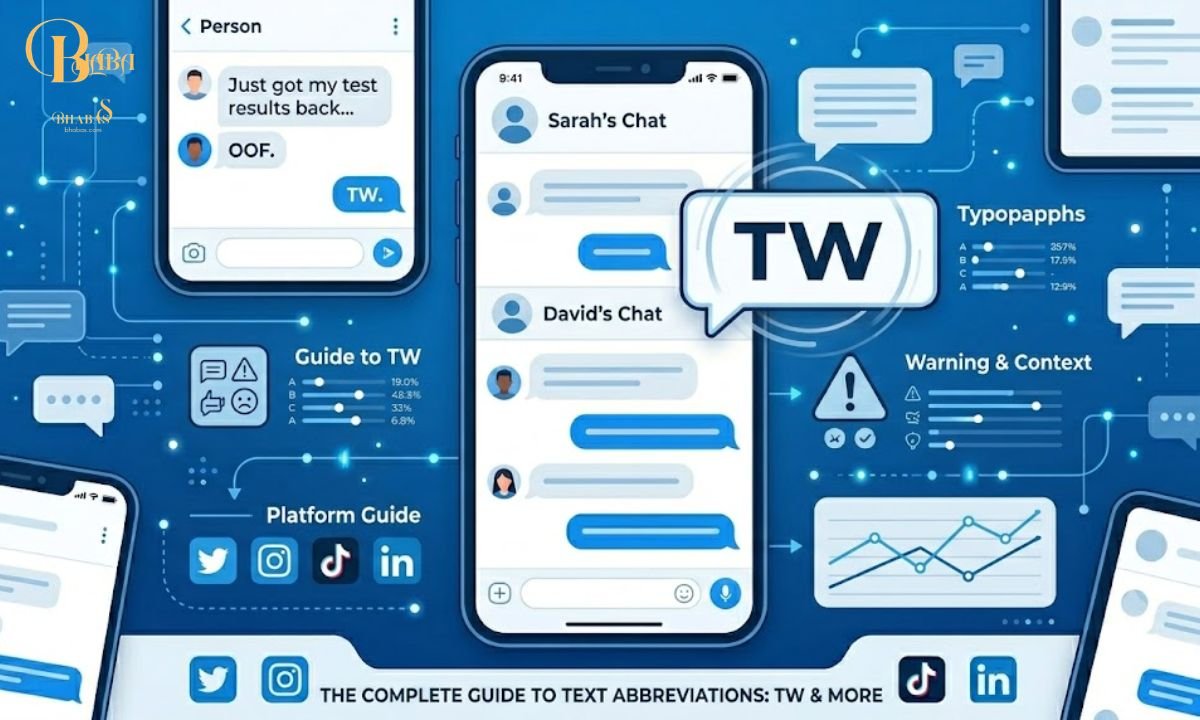
If you’ve ever scrolled through a chat or a caption and stopped at “TW,” wondering what it meant, you’re far from alone. TW Meaning in Text is one of the most searched texting questions right now, and for good reason this short abbreviation shows up everywhere from group chats to TikTok videos. In most cases, TW stands for “Trigger Warning,” a quick heads-up that something emotionally heavy is coming next.
This guide breaks down everything tied to TW Meaning in Text where it came from, how people use it on different apps, what to say back when you see it, and how it’s different from terms like CW or NSFW. By the end, you’ll be able to read “TW” in any conversation and respond the right way, without second-guessing yourself.
Definition & Meaning
At its core, TW is short for “Trigger Warning.” People place it at the start of a message, post, or caption to let readers know that what follows might bring up difficult feelings, memories, or stress for some people.
It’s not about hiding information or being overly dramatic. It’s a small courtesy that gives someone the choice to keep reading or scroll past. A typical message looks like this: “TW: discussing a recent loss in the family feel free to skip if you’re not up for it today.“
Background & History
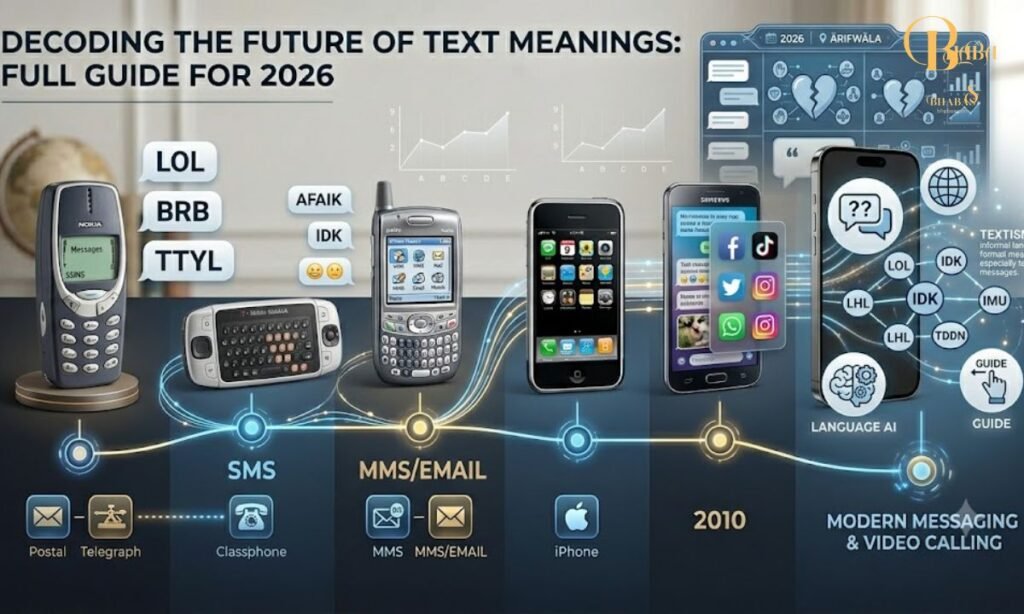
The trigger warning concept didn’t start on TikTok or Instagram. It grew out of online forums and blogging communities, particularly spaces focused on mental health, trauma recovery, and PTSD support in the early 2000s. Tumblr is widely credited as one of the first major platforms where TW became a normal part of everyday posting.
As social media grew, the habit spread to Twitter (now X), Reddit, Instagram, and eventually texting itself. Understanding TW Meaning in Text today really means understanding this shift what began as a niche mental health practice is now a mainstream way to show consideration for whoever is on the other end of a screen.
Usage in Various Contexts
TW shows up in a wide range of situations, and the tone usually depends on who’s sending it. Common examples include:
- Casual chats – “TW: I’m about to vent about my breakup, just a warning.”
- Social media captions – “TW: this video talks about grief.”
- Group chats – Used before sharing sad news, health updates, or family drama.
- Online communities – Forums and Discord servers often require TW tags before certain threads.
Across all of these, TW Meaning in Text stays consistent it’s a signal that the reader should brace themselves slightly before continuing.
Common Misconceptions & Clarifications
One of the biggest mix-ups with TW Meaning in Text is assuming it always means “Trigger Warning.” While that’s the most common use, TW has a few other meanings depending on the setting:
| Possible Meaning | Where It’s Used |
| Trigger Warning | Social media, texting, online forums |
| This Week | Work emails, project timelines, calendars |
| Teamwork | Office chats, group project updates |
| Casual mentions of the platform itself | |
| Terawatt / Tungsten | Science, physics, engineering discussions |
The fix is simple: look at the sentence around it. If someone writes “TW: anxiety stuff ahead,” it’s a warning. If a coworker writes “TW deliverables due Friday,” it almost certainly means “This Week.”
Similar Terms & Alternatives
People often use TW alongside, or instead of, a few other short tags. The most common alternatives are:
- CW (Content Warning) – A broader version of TW, often covering spoilers, violence, or political topics.
- NSFW (Not Safe For Work) – Used for content that’s inappropriate for public or workplace settings.
- SW (Sensitive Warning) – Less common, but used similarly to TW.
- Content Note – A softer, more formal phrase often used in articles or newsletters.
While these terms overlap, none of them are exact substitutes. TW leans specifically toward emotional and psychological impact, which is why it’s still the go-to choice in personal conversations.
How to Respond to This Term
Seeing “TW” doesn’t require a complicated reply. A few simple responses work in almost every situation:
- Acknowledge it – “Thanks for the heads-up, go ahead.”
- Opt out politely – “I’m not in the right headspace for that right now, but thanks for warning me.”
- Ask for clarity – “What’s this about?” if the topic isn’t named.
- Mirror it back – If you’re continuing the conversation, you can use TW yourself before adding more sensitive details.
There’s no wrong way to respond as long as it’s respectful. The person using TW is simply trying to be considerate, so a short, kind reply is all that’s needed.
Regional or Cultural Differences
Trigger warning culture is more common in countries where online mental health discussions are widespread, particularly the US, UK, Canada, and Australia. In these regions, TW Meaning in Text is almost always tied to emotional sensitivity, especially among younger users on platforms like TikTok and Instagram.
In other regions, TW is more likely to be read as a workplace shorthand “This Week” especially in business emails and project management tools. Some online communities outside English-speaking countries also use translated or localized versions of the term instead of “TW” itself, so its presence can vary a lot depending on where the conversation is happening.
Comparison with Similar Terms
Here’s a quick side-by-side look at how TW compares with the terms it’s most often confused with:
| Term | Main Focus | Typical Use Case |
| TW (Trigger Warning) | Emotional and psychological impact | Personal stories, mental health, grief, trauma |
| CW (Content Warning) | Broad sensitive content | Spoilers, graphic descriptions, intense themes |
| NSFW | Workplace or public appropriateness | Explicit images, strong language, adult content |
| SW (Sensitive Warning) | General caution | Less specific emotional topics |
The takeaway: TW is the most personal of these terms. It’s less about whether content is appropriate and more about whether it might affect someone emotionally.
Usage in Online Communities & Dating Apps
In forums, Discord servers, and Reddit threads, TW is often treated as basic etiquette many communities even have rules requiring it before posts about self-harm, abuse, or loss. Skipping it can sometimes lead to a post being removed or flagged.
On dating apps like Tinder, Bumble, and Hinge, TW Meaning in Text takes on a slightly different role. People may use it before sharing something personal early in a conversation for example, “TW: I lost a parent last year, so I might get emotional talking about family.” In this setting, it often signals emotional maturity and helps set a respectful tone for deeper conversations.
TW Meaning Across Different Platforms
While the core idea behind TW stays the same everywhere, the way it’s used can shift slightly depending on the app. TW Meaning in Text on social media tends to follow similar patterns, but each platform has its own habits worth knowing.
TW Meaning Snapchat
TW isn’t extremely common on Snapchat compared to other apps, since most content disappears quickly anyway. When it does appear, it’s usually in a caption or chat message before someone shares something personal, like a breakup or a tough day. Context clues in the surrounding message usually make the meaning obvious.
TW Meaning in Instagram
On Instagram, TW shows up most often in captions, Stories, and comments. It’s commonly paired with topics like mental health, body image, loss, or sensitive personal updates. For example, a caption might read: “TW: talking about my anxiety in this post.” Followers can then decide whether to keep scrolling or read further.
TW Meaning in TikTok
TikTok creators frequently use TW (or #TW) at the start of videos or in on-screen text when discussing topics like abuse, self-harm, eating struggles, or grief. Because TikTok videos autoplay, creators often place the warning in the first few seconds so viewers can skip ahead if needed.
TW Meaning in Email
In emails, TW is less likely to mean “Trigger Warning,” especially in workplace settings. It’s far more common for TW to stand for “This Week,” as in “TW priorities” or “TW deadlines.” Occasionally, in more casual or community-based newsletters, TW can still appear as a content warning before discussing a sensitive topic.
Hidden or Offensive Meanings
On its own, TW isn’t an offensive term, and it doesn’t carry any hidden insult. The abbreviation itself is neutral it’s simply a label. That said, a couple of things are worth keeping in mind:
- The content following TW can obviously be sensitive, even if the abbreviation itself isn’t.
- Some people use TW sarcastically (for example, “TW: I’m about to be dramatic”), which can come across as dismissive if the topic is genuinely serious.
- In rare cases, people misuse warning tags to bait clicks or attention, which can frustrate communities that rely on TW for genuine safety.
Used correctly, TW remains a positive, considerate part of online communication.
Suitability for Professional Communication
TW can be used in professional settings, but it depends heavily on context. If a coworker shares something personal in a work chat like a health issue or family loss adding “TW” before the details is generally seen as thoughtful, not unprofessional.
However, in formal emails, reports, or client communication, it’s safer to use the meaning most people in business settings already expect: “This Week.” If you’re warning about sensitive content in a professional document, spelling out “Content Note” or “Please be advised” tends to read as more polished than a casual abbreviation.
Conclusion
To sum up, TW Meaning in Text almost always points to “Trigger Warning,” a short, considerate way to prepare someone for content that might be emotionally heavy. Whether you spot it in a text, an Instagram caption, or a TikTok video, the intent behind it is usually kindness.
Context is everything, though. In a work email, TW likely means “This Week,” while in a personal chat or social post, it’s a warning sign worth pausing on. Either way, now you know exactly how to read it and how to respond.

David is a passionate writer with four years of experience in blessings and prayers blogging. He currently works at Bhabas.com, crafting heartfelt messages that inspire hope, offer comfort, and help people express emotions in a meaningful and lasting way.