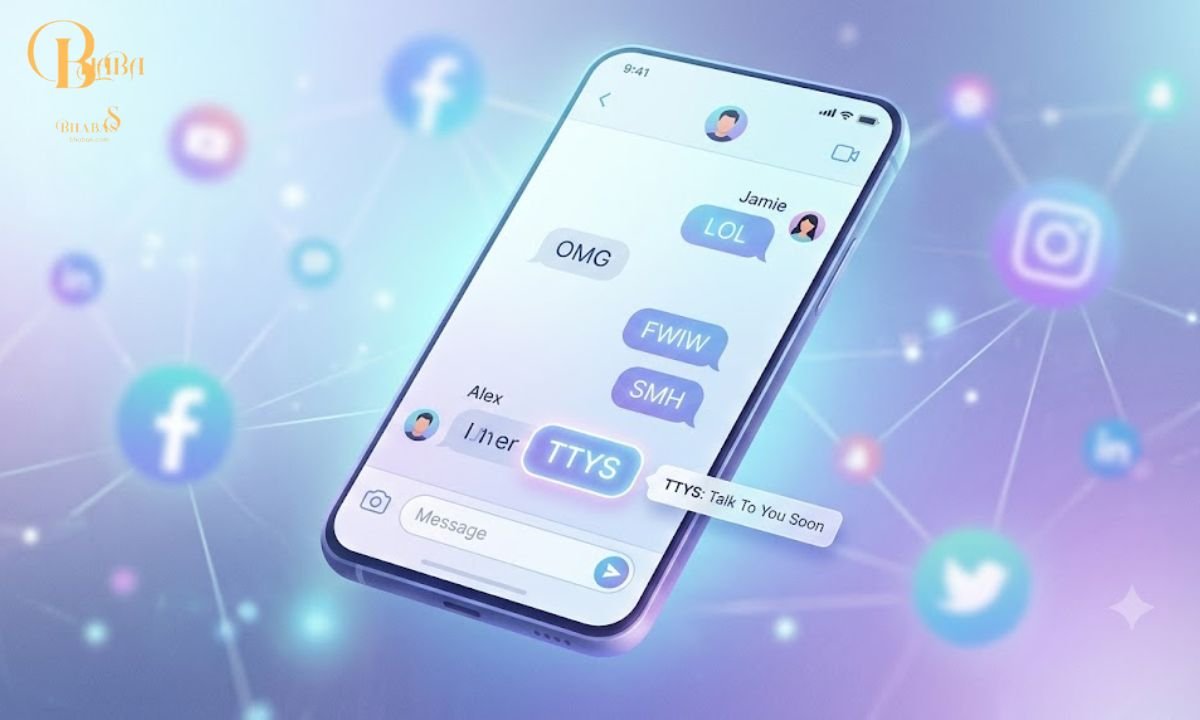
If you have ever received a message ending with ‘TTYS’ and felt unsure about what it meant, you are not alone. The TTYS meaning in text is one of those small digital expressions that carries more weight than its four letters suggest. As online conversations move faster than ever, abbreviations like TTYS have become a standard part of how people wrap up chats on platforms like WhatsApp, Instagram, Snapchat, and iMessage. Whether you are a teenager, a working adult, or someone new to digital communication, knowing what TTYS stands for helps you respond correctly and avoid misreading the tone of a message.
Understanding texting shorthand is no longer optional in 2026. The TTYS meaning in text, Talk To You Soon, is a friendly, casual goodbye that keeps a conversation open rather than closing it. It signals warmth, continuity, and a genuine intention to reconnect. This guide covers everything you need to know: the definition, origin, usage across platforms, common misconceptions, how to reply, and when to avoid it. By the end, you will be able to use TTYS naturally and confidently in any digital setting.
What Does TTYS Mean in Texting
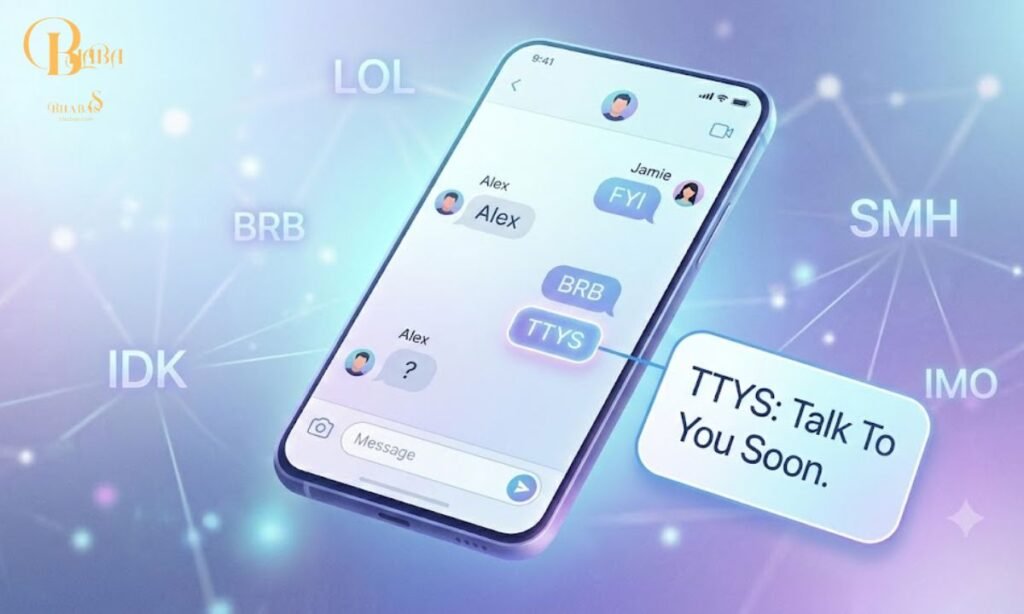
TTYS stands for Talk To You Soon. It is a casual, friendly abbreviation used at the end of a conversation to signal that the speaker plans to chat again in the near future. Think of it as a digital version of saying ‘see you soon’ or ‘catch you later.’ The key idea behind it is continuation the conversation is pausing, not ending permanently.
The TTYS meaning in text is almost always positive. When someone sends it, they are communicating three things at once: that they need to step away, that they enjoyed the conversation, and that they intend to return. It avoids the cold abruptness of simply going silent and instead closes the exchange on a warm, open note.
Here is a quick breakdown of what the acronym stands for:
| Letter / Word | Meaning |
| T | Talk |
| T | To |
| Y | You |
| S | Soon |
It is worth noting that TTYS can be written in both uppercase (TTYS) and lowercase (ttys). Both versions mean exactly the same thing. The choice between them usually depends on personal style or the tone of the conversation. Uppercase can feel slightly more deliberate, while lowercase tends to feel more relaxed.
Background & History
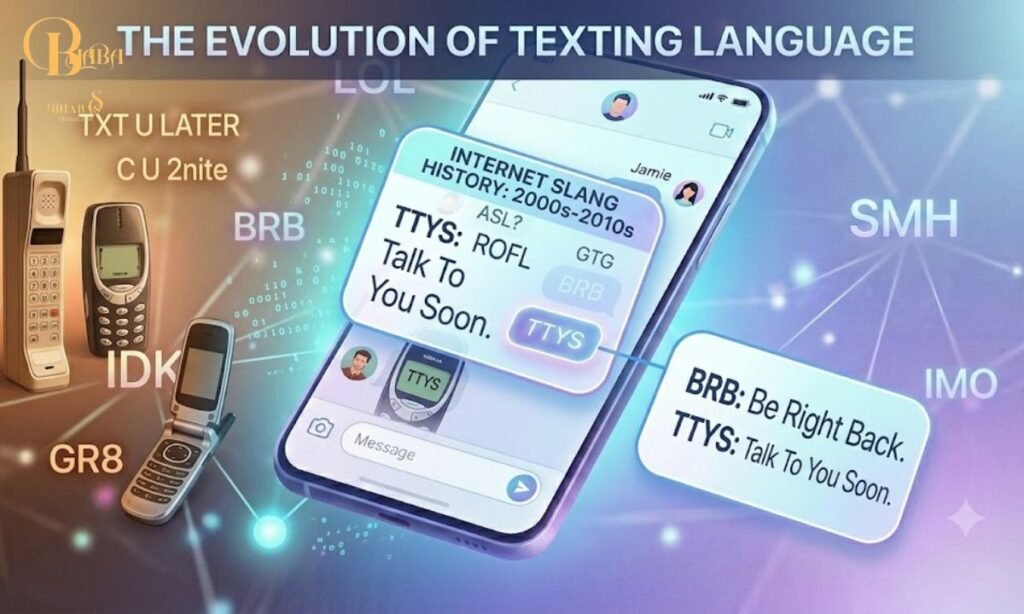
To understand TTYS properly, it helps to look at where it came from. Like most texting abbreviations, TTYS grew out of the early internet era of the late 1990s and early 2000s. During that period, people were connecting through platforms like AOL Instant Messenger, ICQ, and early SMS on mobile phones. Typing was slow, character limits were tight, and users found creative ways to say more with fewer keystrokes.
Abbreviations like LOL, BRB, and TTYL became widely used during this time. TTYS likely developed as a natural variation of TTYL, which stands for Talk To You Later. The key difference was in the implied time frame. ‘Later’ could mean anything from an hour to a week, while ‘soon’ suggested something more immediate a reconnection expected within hours or the next day. This small distinction gave TTYS a slightly warmer tone.
As communication shifted from desktop chat programs to smartphones and social media in the mid-2000s and 2010s, these abbreviations carried over. Platforms like Facebook Messenger, WhatsApp, Snapchat, and later TikTok DMs all became environments where TTYS continued to appear. Even as newer slang terms and emoji-based expression grew popular, TTYS remained recognizable and widely used because of its clarity and simplicity.
Today in 2026, TTYS is considered classic internet shorthand. It is not as trendy as newer Gen Z expressions, but it is universally understood across age groups that have grown up with digital communication.
Usage in Various Contexts
Casual Texting
The most common place you will encounter TTYS is in personal text messages between friends and family members. It typically appears at the end of a conversation when one person needs to leave but wants to signal that the exchange meant something to them. For example:
• ‘Okay I need to sleep, TTYS!’
• ‘Running late for dinner, ttys later!’
• ‘Heading into class now, TTYS after.’
In this context, TTYS functions like a digital wave goodbye brief, friendly, and full of implied warmth. The TTYS meaning in text here is exactly what it says: a promise to reconnect soon.
Social Media
On platforms like Instagram, Snapchat, and X (formerly Twitter), TTYS appears in DMs and comment replies. It is particularly common in Snapchat streaks, where users exchange quick messages daily. Someone might end a story reply with ‘TTYS’ to indicate they will respond more fully later. In Instagram DMs and comment threads, it signals a friendly pause rather than a decision to stop engaging with that person altogether.
Online Gaming and Communities
Gaming communities on platforms like Discord and Twitch have their own texting culture, and TTYS fits naturally into that environment. After a gaming session, players often drop a quick ‘TTYS’ in the chat before logging off. It maintains the social bond without requiring a drawn-out goodbye. In gaming forums and group chats, it serves the same purpose: a polite, casual sign-off that keeps the community connection alive.
Workplace Communication (Rare)
In professional settings, TTYS is rarely appropriate. Most workplaces expect clear, formal communication, and using a texting abbreviation in an email or Slack message to a manager or client can come across as unprofessional. There is one exception: very informal work friendships between colleagues who already communicate casually may use TTYS without any issue. Even then, it is best reserved for private chats rather than shared channels or group threads.
Common Misconceptions & Clarifications
Misconception 1: It Means Goodbye Forever
This is one of the most common misreads of TTYS. Some people interpret it as a final goodbye, similar to ‘bye’ or ‘see ya.’ In reality, TTYS is the opposite of a permanent farewell. The word ‘soon’ in Talk To You Soon signals an active intention to reconnect. It is a temporary pause, not a closing statement.
Misconception 2: It Is Rude or Dismissive
Because TTYS is short and does not include any emotional language, some people read it as cold or dismissive. This misreading usually happens when there is already tension in a conversation. In neutral or positive exchanges, TTYS is considered polite and friendly. If a person is unsure about the tone, the surrounding conversation provides the best clue.
Misconception 3: It Is Rarely Used
Some people assume TTYS has fallen out of use, replaced entirely by emoji or newer slang. That is not accurate. While it is not as dominant as it was in the mid-2000s, TTYS continues to appear regularly in text messages, social media DMs, and gaming chats. Its clarity and ease of use keep it relevant even in 2026.
Misconception 4: It Is the Same as TTYL
TTYS and TTYL are related but not identical. TTYL means Talk To You Later and implies a more open-ended time frame. TTYS means Talk To You Soon and carries a slightly more immediate connotation. The difference is subtle, but it affects the emotional tone of the message. TTYS feels a bit warmer and more connected than TTYL.
TTYS Meaning in Chat
When it comes to live chat platforms think Messenger, WhatsApp, Telegram, or even iMessage the TTYS meaning in text stays consistent: Talk To You Soon. The difference in chat versus SMS is mainly about pace. Chat conversations happen in real time, so when someone types TTYS mid-conversation, it usually means they are stepping away from their phone or laptop temporarily. It is a way of being considerate letting the other person know you have not abandoned the conversation, you are simply unavailable for the moment.
In group chats, TTYS works the same way. A person leaving a group discussion might type TTYS to signal a graceful exit without disrupting the flow of the conversation for others. It is brief, clear, and socially considerate three qualities that make it particularly well-suited for fast-paced chat environments.
TTYS Reply
Knowing how to respond when someone sends you TTYS is just as important as knowing what it means. The best replies match the casual, warm tone of the original message. Here are some natural ways to respond:
| TTYS Message | Good Reply |
| ‘TTYS!’ | ‘Talk soon! 😊’ |
| ‘gtg, ttys’ | ‘Sure, catch you later!’ |
| ‘okay ttys after work’ | ‘Sounds good, talk then!’ |
| ‘TTYS about that later’ | ‘Definitely, ping me when you’re free’ |
| ‘ttys 🙂’ | ‘TTYS! 👋’ |
The key principle here is to keep it light and matching in energy. If the other person kept it short, your reply can be short too. If they added an emoji, feel free to mirror that. Avoid over-explaining or treating it as a serious closing statement.
Similar Terms & Alternatives
If you want to vary your digital sign-offs or are looking for phrases that work better in specific contexts, here are the most common alternatives to TTYS and how they differ:
| Term | Full Form | Key Difference |
| TTYL | Talk To You Later | Less immediate; open-ended time frame |
| BRB | Be Right Back | Very short absence; not ending the chat |
| GTG | Got To Go | Abrupt departure; no implied return time |
| CYA / CU | See You / See You Around | Slightly more casual; often used among close friends |
| Talk soon | Talk soon (full phrase) | Semi-formal; works in both casual and light professional settings |
How to Respond to This Term
Responding to TTYS does not need to be complicated. The phrase is casual by nature, so your reply should match that energy. Here are a few things to keep in mind:
• Match the tone. If the conversation was warm and upbeat, your reply can be the same.
• Keep it short. TTYS is a quick sign-off, so there is no need for a long response.
• Use an emoji if it fits. A simple wave, thumbs up, or smiley face pairs naturally with a TTYS reply.
• Acknowledge the plan. Saying something like ‘Sounds good!’ or ‘Talk then!’ confirms you received the message and are happy to continue later.
• Avoid overthinking it. TTYS is almost always friendly, so do not read too deeply into the tone unless the rest of the conversation suggests otherwise.
Regional or Cultural Differences
TTYS is primarily used in English-speaking countries such as the United States, the United Kingdom, Canada, and Australia. In these regions, it is widely recognized and used across age groups, though it is more common among millennials and older Gen Z users who grew up with early texting culture.
In non-English-speaking parts of the world, TTYS is less common in everyday messaging. However, it does appear in international online communities particularly in gaming, tech forums, and global social media spaces where English is the primary language of communication. Younger users in countries like Japan, South Korea, and parts of Europe may recognize TTYS through exposure to English-language internet culture, even if they do not use it in their native-language conversations.
It is also worth noting that different English-speaking regions may slightly prefer different sign-offs. In the UK, for example, phrases like ‘speak soon’ are common in both casual and semi-professional settings. In the US, TTYS and TTYL are more deeply embedded in casual digital culture.
Comparison with Similar Terms
People often confuse TTYS with several related expressions. Here is a clear side-by-side look at what sets TTYS apart from the most commonly compared alternatives:
• TTYS vs TTYL: TTYS implies a sooner reconnection. TTYL is more open-ended and could mean hours, days, or longer. If you want to convey that you will be back relatively quickly, TTYS is the better choice.
• TTYS vs BRB: BRB (Be Right Back) suggests you are stepping away for just a few minutes and will return to the same conversation. TTYS signals that the conversation is wrapping up for now but will resume at a later point.
• TTYS vs GTG: GTG (Got To Go) is a departure signal without a specific promise to reconnect. TTYS includes that implied promise, making it a warmer closer.
• TTYS vs Talk Soon: ‘Talk soon’ is essentially the written-out version of TTYS. It is slightly more formal and works well in situations where abbreviations might feel out of place, such as a semi-professional email to a colleague you know well.
Usage in Online Communities & Dating Apps
In online communities including Reddit threads, Discord servers, and niche forums TTYS appears as a casual thread closer. Members use it when they need to step away from an ongoing discussion but want to signal that they will return to contribute more. It keeps the social dynamic alive without requiring a formal goodbye.
On dating apps like Tinder, Bumble, and Hinge, TTYS serves a slightly different purpose. When one person ends a conversation with TTYS, it communicates continued interest without coming across as too eager. It leaves the door open for a follow-up message without any pressure on either side. In this context, the TTYS meaning in text carries a subtle warmth that a plain ‘bye’ would not convey. It signals that the sender enjoyed the exchange and genuinely wants to continue it, which is a positive signal in any early-stage digital relationship.
Group chats on platforms like WhatsApp and Telegram also make frequent use of TTYS. When one member needs to leave a live discussion, dropping a TTYS lets the group know they are stepping out without interrupting the conversation for everyone else.
Hidden or Offensive Meanings
In standard texting culture, TTYS has no hidden or offensive meanings. It is a clean, neutral abbreviation with one widely understood definition: Talk To You Soon. There is no slang twist, no adult connotation, and no context in which TTYS becomes inappropriate on its own.
That said, it is worth mentioning that TTYS has a separate technical meaning in computing. In Unix and Linux systems, ‘ttys’ refers to teletypewriter sessions essentially the terminal connections used for user logins on a system. This meaning is entirely unrelated to texting and only matters in technical environments. If you see TTYS in a tech documentation file or a Linux command reference, that is the context.
There is also a rare misconception, mostly among people unfamiliar with texting shorthand, that TTYS might stand for something offensive or inappropriate. It does not. The meaning has always been and remains Talk To You Soon. If you encounter a different claim online, it is almost certainly inaccurate or highly niche to a specific community.
Suitability for Professional Communication
TTYS is not suitable for most professional communication. Using it in formal emails, client-facing messages, job applications, or official workplace reports can make you come across as unprofessional or careless. Even in digital workspaces like Slack or Microsoft Teams, TTYS is generally a poor choice unless your working relationship with someone is explicitly casual and informal.
Here is a practical guide for knowing when to use TTYS and when to avoid it:
| Use TTYS Here | Avoid TTYS Here |
| Text messages with friends | Formal workplace emails |
| Social media DMs | Client communications |
| Casual group chats | Job application follow-ups |
| Gaming or Discord sign-offs | Academic or professional reports |
| Dating app conversations | Messages to unfamiliar contacts |
When in doubt, use the full phrase ‘Talk to you soon’ or opt for a professional alternative like ‘I will follow up shortly,’ ‘Speak soon,’ or ‘Looking forward to connecting.’ These options communicate the same intention without the informality that comes with texting shorthand.
Conclusion
The TTYS meaning in text is simple: Talk To You Soon. It is a short, friendly, and widely understood abbreviation used to close a conversation while keeping the relationship open for future interaction. Whether you see it in a text message, a social media DM, or a gaming chat, TTYS signals warmth and an intention to reconnect. Knowing how to use it correctly and when to avoid it helps you communicate more naturally across digital platforms.
If someone sends you TTYS, reply with the same casual energy. A simple ‘Talk soon!’ or a quick emoji is all you need. And if you are wrapping up a conversation with a friend, TTYS is a perfectly natural way to say goodbye without making it feel final. Just remember to keep it out of professional settings where clear, formal language is expected.

David is a passionate writer with four years of experience in blessings and prayers blogging. He currently works at Bhabas.com, crafting heartfelt messages that inspire hope, offer comfort, and help people express emotions in a meaningful and lasting way.