If you’ve come across “ppl” in a text, comment, or caption and paused to figure out what it means, you’re not alone. This three-letter shorthand appears constantly in everyday digital chats, and most of the time it has a single meaning. If you searched for the PPL meaning in text because a message left you guessing, this guide will clear that up in plain, easy terms.
This article covers the PPL meaning in text in full detail where it came from, how it’s used across texting, social media, group chats, and forums, and how it compares to similar words like “peeps” or “folks.” You’ll also learn other meanings of PPL in gyms, relationships, and business, plus how to respond when someone uses it in a chat.
Definition & Meaning
“PPL” is an informal abbreviation for the word “people.” It’s formed by dropping the vowels from “people,” a common trick in texting shorthand that also gives us words like “msg” for message or “thx” for thanks. The PPL meaning in text doesn’t change based on capitalization “ppl,” “Ppl,” and “PPL” all mean exactly the same thing.
In a sentence, it works as a direct swap for “people”:
- “Some ppl never learn.” = “Some people never learn.”
- “Why do ppl do that?” = “Why do people do that?”
The tone is neutral neither rude nor overly friendly which is part of why it’s used so widely across chats and posts.
Background & History
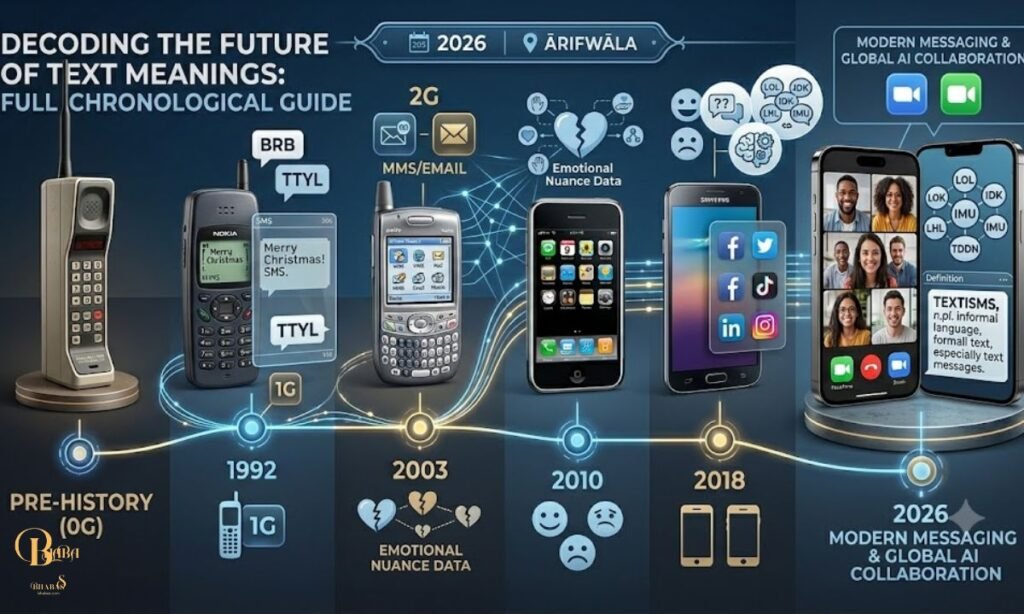
Text abbreviations like “ppl” trace back to the early days of SMS, when messages were capped at 160 characters and every letter counted. Phone keypads also made typing slow, so shortening “people” to “ppl” saved time and effort with every message sent.
As instant messaging platforms such as AOL and Yahoo Messenger grew popular in the late 1990s and early 2000s, shorthand spread quickly among teens and young adults. When smartphones and social media arrived later, the habit carried over naturally into everyday texting.
Understanding the PPL meaning in text becomes easier once you realize it’s part of a much larger family of shortcuts “u” for you, “brb” for be right back, and “ppl” for people all built around the same idea: faster typing without losing the message. Even with autocorrect and predictive text on modern smartphones, the habit never went away, because shorter messages still feel faster to send and read.
Usage in Various Contexts
Once you know the PPL meaning in text, you’ll start spotting it everywhere online. The tone stays casual and the meaning stays the same, but how it’s used can shift slightly depending on the platform.
1. Text Messages
In one-on-one or group texts, “ppl” usually replaces “people” when discussing plans or opinions. Example: “Some ppl are coming over later.” It keeps everyday messages between friends and family short without sounding stiff.
2. Social Media Posts
On platforms like Instagram, X (Twitter), and TikTok, “ppl” often appears in captions or comments to share a general opinion. Example: “Why do ppl overthink everything?” It fits the quick, conversational tone these platforms encourage.
3. Group Chats
In group chats, “ppl” is often used to refer to who’s joining a plan or event. Example: “Are ppl free this weekend?” It’s a fast way to address the whole group without typing out every name.
4. Online Forums
On forums like Reddit, “ppl” shows up in discussions and comment threads where users share opinions casually. Example: “Ppl in this sub are so helpful.” Forums often mix slang with longer explanations, so “ppl” fits naturally among detailed posts.
5. Casual Emails (Sometimes)
“Ppl” occasionally appears in informal emails between coworkers who know each other well, such as “A few ppl asked about the schedule.” It’s rare in formal business emails, where “people” or “team members” is the safer choice.
Common Misconceptions & Clarifications
One common misconception about the PPL meaning in text is that it has hidden or coded meanings, similar to slang terms with double meanings. In reality, “ppl” almost always means “people” nothing more, nothing less.
Another mix-up happens when people assume “ppl” sounds rude or dismissive. It doesn’t. The abbreviation itself carries no attitude; any tone comes from the rest of the sentence, not from the word “ppl.”
Some readers also think “ppl” is only used by teenagers. While it’s popular with younger generations, adults use it too, especially in casual texts, social media captions, and group chats where a relaxed tone fits the conversation.
A few people also believe “ppl” is only correct in lowercase. In practice, capitalization doesn’t matter at all autocorrect or caps lock can turn it into “PPL” or “Ppl” without changing what it means.
Similar Terms & Alternatives
Knowing the PPL meaning in text also helps when comparing it with other casual words for “people.” A few common alternatives include:
- Peeps – a playful, friendly version of “people,” often used among close friends.
- Folks – a warmer, slightly more polite term, common in both casual and semi-formal writing.
- People – the full word, best suited for formal or professional writing.
Each option fits a slightly different tone. “Ppl” stays neutral and efficient, “peeps” feels upbeat and informal, and “folks” leans friendly without sounding too casual.
How to Respond to This Term
Replying to “ppl” doesn’t require any special approach just respond as if the person typed “people.” The key is matching the casual tone of the message.
Casual Response Examples:
If a friend texts “Some ppl never learn,” you could reply:
- “Yeah, ppl can be like that sometimes.”
- “Lol true, some ppl never change.”
- “Haha exactly, ppl are wild.”
More Polished Response:
In a slightly more formal chat, swap “ppl” for “people”:
- “Yes, people can definitely be unpredictable sometimes.”
- “I agree people often surprise you.”
Regional or Cultural Differences
The PPL meaning in text stays mostly consistent across English-speaking countries, including the US, UK, Canada, and Australia. Wherever texting culture exists, “ppl” is understood to mean “people.”
That said, usage frequency can vary by region. In the US, “ppl” is extremely common across all age groups on social media. In the UK, “folks” and “peeps” sometimes compete with “ppl” for the same casual tone. In several Asian English-speaking communities, “ppl” is common in online gaming chats and forums, often mixed with other shorthand specific to gaming culture.
Despite these small differences, the core meaning rarely changes it’s always about people, just with slightly different popularity depending on where you are.
Different Meanings of PPL You Should Know
While “people” is the most common meaning, “PPL” stands for different things depending on the topic. Here’s a quick look at the most searched variations:
| Context | What PPL Stands For | Example |
| Texting / Social Media | People | “Ppl are so dramatic sometimes.” |
| Fitness / Gym | Push, Pull, Legs (workout split) | “Starting my PPL routine today.” |
| Aviation | Private Pilot License | “He just got his PPL last month.” |
| Business / Marketing | Pay Per Lead | “Our PPL campaign brought in new leads.” |
| Medical | Penicilloyl Polylysine (allergy test) | “The PPL skin test came back negative.” |
PPL Meaning in Relationship
In relationship conversations, “ppl” usually just means “people” in a general sense for example, “Some ppl in relationships need more space.” It isn’t a special relationship term; it simply keeps casual talk about dating, friendships, or family short and relaxed.
PPL Meaning in Business
In business settings, “PPL” most often stands for “Pay Per Lead,” a marketing model where companies pay for each potential customer generated through a campaign. Example: “Our PPL strategy improved this quarter.” Less formally, some teams also use “ppl” to mean “people,” as in “Loop in the right ppl on this.”
PPL Meaning in Gym
In fitness communities, “PPL” stands for “Push, Pull, Legs” a popular workout split. Push day covers chest, shoulders, and triceps; pull day covers back and biceps; leg day covers the lower body. Example: “I switched to a PPL routine for better results.”
Comparison with Similar Terms
Here’s how “ppl” stacks up against other casual words used for “people”:
| Term | Tone | Best Used For | Example |
| Ppl | Neutral, efficient | Texts, social media, forums | “Ppl need to chill sometimes.” |
| Peeps | Playful, friendly | Close friends, casual posts | “My peeps are the best.” |
| Folks | Warm, slightly formal | Mixed audiences, announcements | “Hey folks, quick update for everyone.” |
| People | Formal / neutral | Professional or formal writing | “People should arrive by 9 AM.” |
Among all these options, the PPL meaning in text remains the most widely recognized and the easiest to use without sounding too casual or too stiff which is why it continues to dominate everyday digital conversations.
Usage in Online Communities & Dating Apps
On dating apps like Tinder, Bumble, or Hinge, “ppl” frequently shows up in bios and opening messages. Example: “Looking for ppl who love hiking and good food.” It signals a relaxed, approachable vibe right from the start of a conversation. Profile bios also use it for personality, such as “Down to meet new ppl” or “Not really into small talk with random ppl.”
In online communities Discord servers, Reddit threads, gaming chats “ppl” is used the same way it is in texts: to refer to a group of users or commenters. Example: “Ppl in this server are super active.” Because these spaces are informal by nature, “ppl” fits right in without needing any explanation.
Hidden or Offensive Meanings
For the most part, “ppl” carries no hidden or offensive meaning. It’s a straightforward stand-in for “people” and doesn’t imply sarcasm, anger, or any secret subtext on its own.
That said, tone still matters. A message like “Ugh, some ppl just don’t get it” can sound passive-aggressive but that comes from the wording around “ppl,” not from “ppl” itself. The abbreviation is essentially tone-neutral; context and punctuation do the heavy lifting in how a message lands.
If you’re ever unsure how a message comes across, read the full sentence rather than focusing on “ppl” alone that’s where any attitude actually lives.
Suitability for Professional Communication
“Ppl” works fine for casual chats, but it’s generally best avoided in professional communication. Emails to clients, reports, and formal documents read better with the full word “people,” which keeps the tone polished and clear.
That said, some informal workplace messaging like quick Slack notes between teammates can get away with “ppl” if the overall culture is relaxed. The safest approach: use “ppl” with friends and casual contacts, and stick to “people” in anything that represents you professionally, such as resumes, cover letters, or client-facing messages. If you’re ever unsure whether a workplace chat is casual enough for “ppl,” it’s safer to type “people” switching to the full word never looks out of place, even in relaxed settings.
Conclusion
By now, the PPL meaning in text should feel completely clear: it’s simply a quick, casual way to write “people,” popular across texts, social media, group chats, and forums since the early days of SMS shorthand.
While “ppl” can stand for other things like Push Pull Legs at the gym, Private Pilot License in aviation, or Pay Per Lead in marketing context almost always makes the meaning obvious. Stick with “people” for formal writing, and “ppl” everywhere else.

David is a passionate writer with four years of experience in blessings and prayers blogging. He currently works at Bhabas.com, crafting heartfelt messages that inspire hope, offer comfort, and help people express emotions in a meaningful and lasting way.