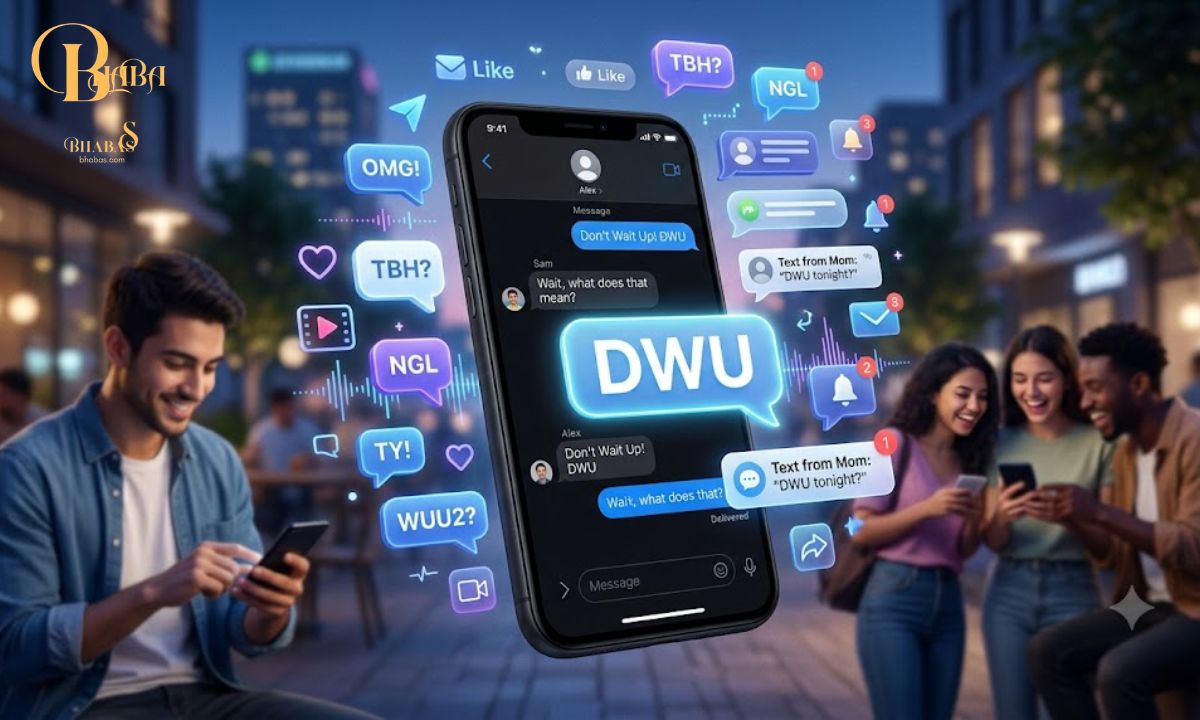
If you’ve received a text saying “DWU” and stared at it for a moment too long, you’re not alone. The DWU meaning in text confuses a lot of people — especially those who haven’t grown up using everyday digital slang. Whether it came from a friend, a partner, or someone you just started talking to, understanding what it means can save you from misreading the situation entirely.
This guide breaks down the DWU meaning in text in plain terms — where it comes from, how people use it across different situations, and exactly how you should respond when you see it. By the end, you’ll know this acronym inside out, including the lesser-known interpretations that only come up in specific contexts like dating apps or online communities.
Definition & Meaning
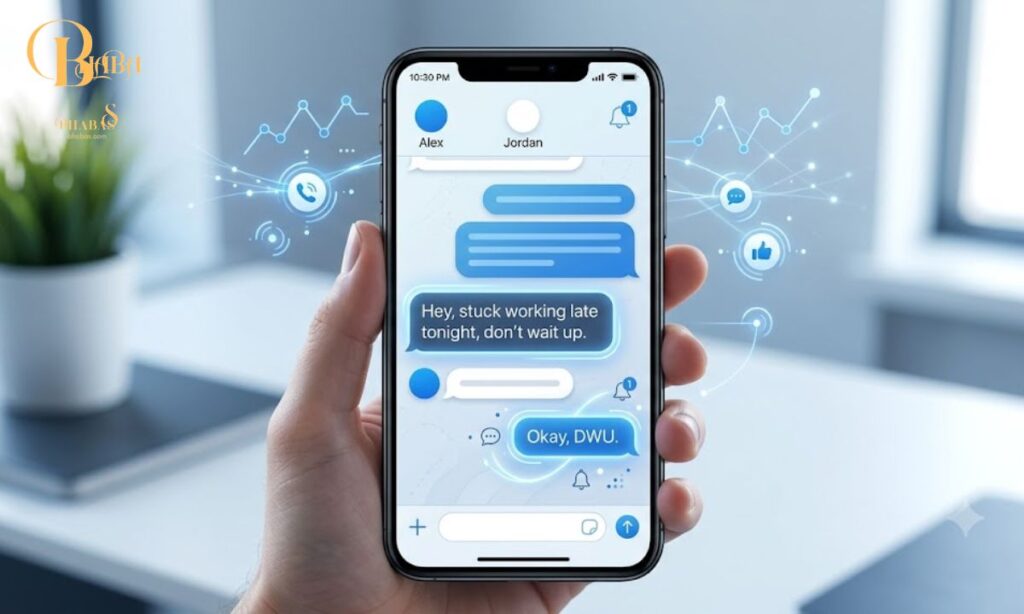
The DWU meaning in text is most commonly understood as “Don’t Wait Up.” It is a short, casual way of telling someone they don’t need to stay awake or delay their plans waiting for you. The person sending it is usually heading out, running late, or will be occupied for some time.
Quick Answer: DWU = “Don’t Wait Up” — a polite, informal way to say “go ahead without me” or “don’t hold off on sleeping/eating/leaving on my account.”
While “Don’t Wait Up” is the dominant interpretation, a secondary meaning also exists. In some informal circles, especially on platforms where hip-hop slang is common, DWU can stand for “Das Wassup” (or “That’s What’s Up”) — used as a casual expression of agreement, approval, or excitement. However, this version is far less common in everyday texting.
| Acronym | Full Form | Usage Context |
| DWU | Don’t Wait Up | Most common — texts, DMs, casual chats |
| DWU | Das Wassup / That’s What’s Up | Informal agreement, hip-hop influenced slang |
When in doubt, context is your best guide. If the message is about plans, being late, or going out — it almost certainly means “Don’t Wait Up.”
Background & History
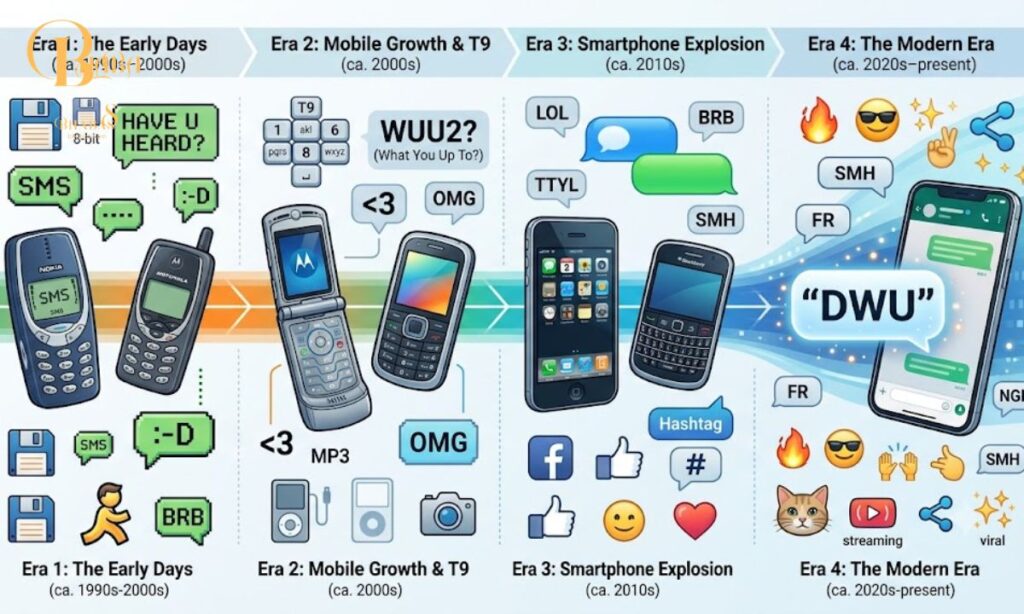
The phrase “don’t wait up” existed in spoken English long before smartphones were a thing. Parents would say it to their kids before heading to bed; spouses would say it when one person had a late shift. It was a polite, considerate way to release someone from the obligation of waiting.
As mobile texting became mainstream in the early 2000s, people started shortening everyday phrases into acronyms to save time. “Don’t wait up” naturally became DWU. It fit neatly into the culture of abbreviated digital communication — the same wave that gave us BRB, TTYL, and GTG.
By the mid-2010s, with the explosion of platforms like Snapchat, Instagram DMs, and WhatsApp, the DWU meaning in text became more widely recognized among younger age groups. Today, it is a standard part of Gen Z and millennial texting vocabulary, regularly appearing across all major messaging apps.
Usage in Various Contexts
The DWU meaning in text adapts naturally across different scenarios. Here are three of the most common real-world situations where you’ll encounter it:
1. Late-Night Plans
This is the most classic use case. Someone is heading out for the night — to a party, a late dinner, or just hanging with friends — and wants to let a family member or partner know not to stay up waiting for them.
- “Going out with the crew tonight. DWU, I’ll be back late.”
- “Still at work, this meeting is dragging. DWU, I’ll explain everything tomorrow.”
The tone here is caring rather than dismissive. The sender is being considerate of the other person’s time and sleep schedule.
2. Social Outings
When friends are making spontaneous plans or one person is going somewhere unplanned, DWU signals that they’ll be tied up for a while and don’t expect the other person to be on standby.
- “Just ran into some old friends at the mall. DWU, we’re catching up.”
- “Headed to the gym and then grabbing food after. DWU.”
In this context, DWU is less about sleep and more about saying “I’m occupied — carry on without me.”
3. Busy Schedules
DWU also appears in messages about work, responsibilities, or anything that will keep someone occupied for an extended period.
- “Going into back-to-back meetings. DWU, I’ll message you after.”
- “Studying for finals all night. DWU.”
Here it functions almost like a polite “do not disturb” flag — the person acknowledges they’ll be unreachable and doesn’t want the other person to feel ignored or left waiting.
Common Misconceptions & Clarifications
Because DWU isn’t as widely recognized as acronyms like LOL or BRB, it gets misread fairly often. Here are the most common misunderstandings:
| Misconception | Reality |
| “DWU means Don’t Wake Up” | No — it’s “Don’t Wait Up,” which is a positive, considerate phrase. |
| “DWU means Done With You” | Not in standard use. This misreading could cause unnecessary relationship tension. |
| “DWU is rude or dismissive” | It’s actually the opposite — it’s polite and considerate of the other person’s time. |
| “Everyone knows what DWU means” | Less common than LOL or BRB — many people, especially outside English-speaking regions, won’t immediately recognize it. |
| “DWU always carries romantic meaning” | It’s primarily used between friends and family, not just romantic partners. |
The most important thing to remember: if you’re unsure what someone means by DWU in a message, don’t jump to conclusions. Look at the broader conversation for context before reacting.
Similar Terms & Alternatives
If you want to express a similar idea to DWU but the person you’re texting might not recognize the acronym, here are some solid alternatives:
- BRB (Be Right Back) — signals a temporary absence, usually shorter than DWU implies.
- TTYL (Talk to You Later) — casual sign-off, but doesn’t specifically address waiting.
- GTG (Got to Go) — signals immediate departure but not necessarily a long absence.
- OMW (On My Way) — the direct opposite of DWU; it signals arrival is coming soon.
- DWY (Don’t Wait Yet) — similar to DWU but implies the delay is temporary and you should wait eventually.
- “Be back later” — the clearest, most universally understood alternative, especially for non-slang audiences.
Among these, DWU is the most specific — it carries both the idea of being away for a while and the reassurance that the other person shouldn’t put their plans on hold.
How to Respond to This Term
When someone sends you DWU, a long or complicated reply is usually not needed. The sender is just letting you know their situation — they’re not asking a question. That said, the best response depends on your relationship with them and the tone of the message.
Casual Responses:
- “Ok, have fun!”
- “No worries, catch you later.”
- “Cool, I’ll just watch something. 😄”
Caring Responses:
- “Take your time, I’ll be up anyway. Stay safe!”
- “All good, text me when you’re home.”
- “Don’t worry about me, enjoy your night!”
Neutral Responses:
- “Got it.”
- “Okay.”
- “Sure, talk later.”
The key is to match the energy of the message. If it was lighthearted, respond lightly. If it came with context suggesting something serious, a warmer reply works better. Overthinking a DWU text is rarely necessary.
Regional or Cultural Differences
The DWU meaning in text is most naturally understood in the United States, United Kingdom, Canada, and Australia — regions where English-language texting slang developed earliest. In these places, it’s a recognized part of casual digital conversation, particularly among younger adults.
In non-English-speaking regions or countries where English is a second language, DWU is far less intuitive. In parts of South Asia, East Asia, and Latin America, users who are active on international social platforms may recognize it, but it’s not nearly as common as abbreviations like LOL or OMG.
In some online gaming communities, DWU has also been used informally to signal that a player is stepping away from a session without wanting teammates to hold up the game. This usage is informal and not universal across gaming platforms.
Comparison with Similar Terms
| Term | Meaning | Key Difference from DWU |
| DWU | Don’t Wait Up | Signals absence + releases receiver from waiting |
| BRB | Be Right Back | Short absence only; implies quick return |
| TTYL | Talk to You Later | Ends conversation; doesn’t address waiting |
| GTG | Got to Go | Immediate departure, no reassurance given |
| DWY | Don’t Wait Yet | Temporary delay; still expects the person to wait |
| OMW | On My Way | Opposite of DWU — signals arrival is imminent |
What makes DWU stand out is that it directly addresses the other person’s state — their waiting — rather than just announcing the sender’s plans. It’s considerate in a way that GTG or BRB typically is not.
Usage in Online Communities & Dating Apps
The DWU meaning in text takes on slightly different tones depending on where it appears online.
On Twitter/X and Snapchat, users drop DWU in posts or stories when signing off for the night or announcing they’ll be unavailable. It’s casual and often accompanied by a context clue — like mentioning they’re going out — so it reads naturally.
On dating apps like Tinder or Hinge, DWU can carry a bit more nuance. If someone sends you DWU in a match conversation, it usually just means they’re heading out and will be back later. However, in a romantic context, it can occasionally be interpreted as a soft way of setting independence or ending the night’s chat. Paying attention to the broader tone of the conversation matters here.
In gaming communities, DWU is sometimes used to tell teammates the sender is logging off and won’t be joining a session, freeing others to proceed without them.
On TikTok, some creators use DWU in video captions to add a casual, relatable energy — essentially telling their audience “I’ll be off the grid for a bit.”
Hidden or Offensive Meanings
One of the more reassuring facts about the DWU meaning in text is that it does not carry any widely recognized offensive or inappropriate interpretations. It is, by nature, a polite and considerate phrase.
The only situation where DWU could feel off is if it’s used dismissively in a relationship context — for example, if a partner uses it frequently while being vague about their whereabouts. In that case, the issue isn’t the word itself but the pattern of behavior surrounding it. The acronym is neutral; context is what shapes its emotional weight.
There is no significant secondary offensive meaning attached to DWU in mainstream slang communities. You can use it freely in casual settings without concern
Suitability for Professional Communication
Short answer: DWU does not belong in professional settings. Like most text slang, the DWU meaning in text is designed for informal, personal communication — not business emails, client messages, or workplace chat tools like Slack or Microsoft Teams.
If you need to communicate a similar idea in a professional environment, use clear, complete language instead:
- “I’ll be unavailable until this evening — no need to wait on my response.”
- “Please proceed without me; I’ll follow up tomorrow morning.”
- “Don’t hold up the meeting on my account — I’ll review the notes afterward.”
These alternatives carry the same intent as DWU but are appropriate for professional contexts where clarity and formality matter. Reserve DWU for personal texts, social media, and casual messaging apps.
Conclusion
Understanding the DWU meaning in text is straightforward once you know what to look for. At its core, it means “Don’t Wait Up” — a short, considerate way of telling someone not to hold off their plans or sleep while waiting for you. It’s casual, friendly, and widely used across texts, social media platforms, and messaging apps, especially among Gen Z and millennials.
Whether you receive it from a friend heading out for the night or a partner stuck at work, the right response is simple and relaxed. Now that you know exactly what DWU means in text, you can use it confidently — or respond to it without a second thought. Save the full phrase for professional settings and keep DWU where it belongs: casual, everyday conversations.

David is a passionate writer with four years of experience in blessings and prayers blogging. He currently works at Bhabas.com, crafting heartfelt messages that inspire hope, offer comfort, and help people express emotions in a meaningful and lasting way.