If you’ve ever gotten a message with just “aii” and stared at your screen wondering what it means, you’re not alone. The AII meaning in text is one of those things that feels obvious once you know it, but confusing the first time you see it. It’s a short, casual slang term that has found its way into everyday digital conversations, comment sections, and group chats.
In this guide, you’ll get a clear, no-fluff breakdown of the AII meaning in text — where it comes from, how it’s used across different platforms, what it sounds like in context, and when you should (or shouldn’t) use it. Whether you’re trying to decode a chat or use the term naturally yourself, this article covers everything you need.
Definition & Meaning
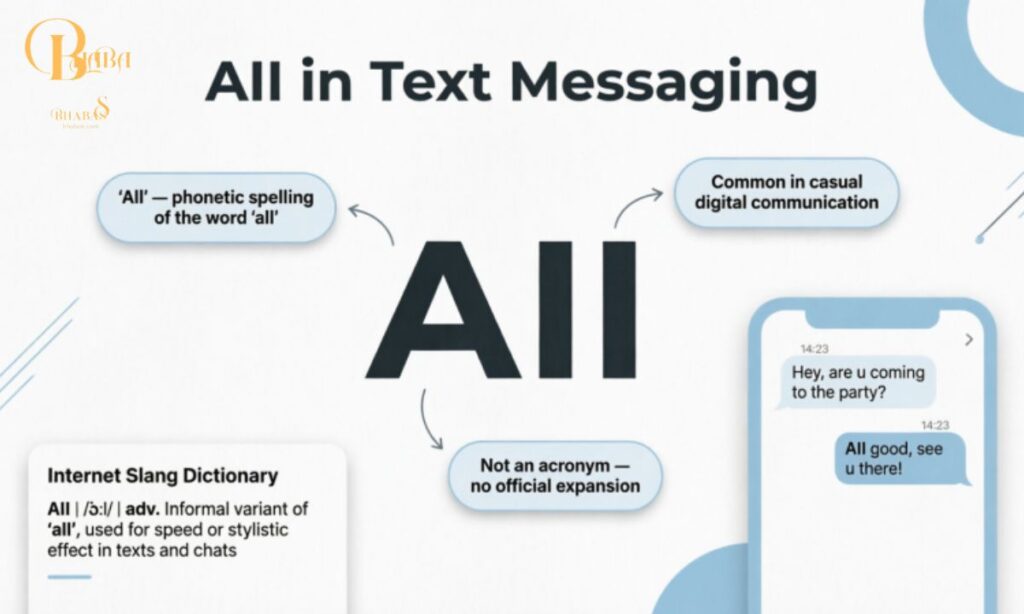
At its core, AII meaning in text is simply a casual, phonetic variation of the word “alright” or “okay.” It’s used in informal digital conversations to signal agreement, acknowledgment, or acceptance.
Think of it as a quicker, more relaxed version of saying “sure,” “got it,” or “sounds good.” It doesn’t carry strong emotion on its own — it’s mostly neutral, conversational, and low-effort in a natural way.
Quick Definition Table
| Term | Meaning | Tone |
| AII | Alright / Okay | Casual, neutral |
| AII! | Alright (enthusiastic) | Upbeat, agreeable |
| aii… | Alright (hesitant) | Uncertain, lukewarm |
| aiii | Strong emphasis on agreement | Playful, energetic |
The double “i” in “aii” is what sets it apart from “ai” or simple “ok.” It adds a slightly drawn-out, easygoing feel — like how someone might say “aaight” in casual speech.
Background & History
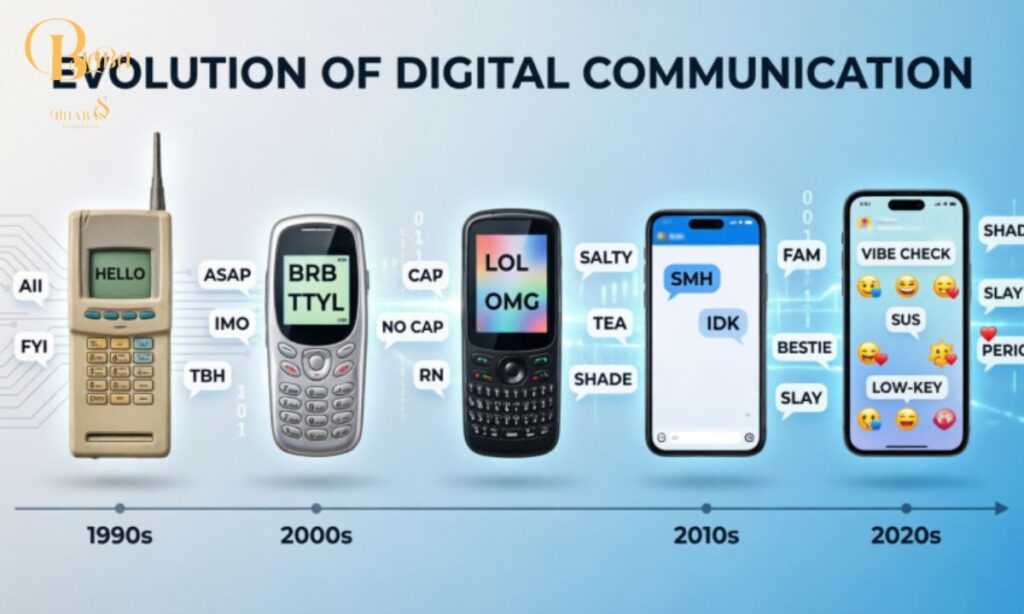
The AII meaning in text didn’t come from a dictionary. It grew out of spoken language and found its way into writing through texting culture.
Linguists trace the roots of “aii” back to African American Vernacular English (AAVE), where expressions like “aiight” and “aight” were commonly used as informal versions of “alright.” These terms were popularized further through hip-hop culture, urban speech, and online communities starting in the late 1990s and early 2000s.
As SMS messaging took off and people began typing faster on small keyboards, longer words got trimmed. “Alright” → “aight” → “aii.” The shift was natural — people typed the way they spoke.
Platforms like MSN Messenger, MySpace, Twitter, and eventually TikTok helped spread these phonetic spellings to global audiences. By the time Gen Z hit their teens, “aii” was already embedded in everyday texting habits.
Usage in Various Contexts
Understanding the AII meaning in text depends a lot on where and how it’s used. Here’s how it shows up across different settings:
1. Casual Texting Between Friends
This is the most common use. It signals agreement without overthinking.
“Want to grab food at 7?” “Aii, bet.”
2. Social Media Comments
On platforms like TikTok, Instagram, and Twitter/X, “aii” appears in replies to show approval or quick agreement with a post.
3. Gaming and Discord Servers
In fast-moving gaming chats, there’s no time for long responses. “Aii” fits perfectly when a teammate confirms a plan.
“Rush mid next round.” “Aii bro, say less.”
4. Group Chats
In WhatsApp or iMessage group threads, “aii” is a common one-word response that keeps the conversation moving without demanding attention.
5. Internal Workplace Chat (Informal Teams)
Occasionally, among close colleagues in casual Slack channels, “aii” might appear — though it’s rare and depends entirely on the workplace culture.
Common Misconceptions & Clarifications
There are a few things people commonly get wrong about the AII meaning in text. Let’s clear them up.
❌ It does NOT stand for “Artificial Intelligence Interface” In casual texting, “aii” has nothing to do with technology or AI. If you see it in a tech discussion, context will make that clear — but in regular chat, it always means “alright.”
❌ It’s not a typo Many people assume “aii” is a misspelling of “all” or “ai.” It’s not. It’s an intentional slang spelling.
❌ It’s not always cold or dismissive Some people read “aii” as a flat, uninterested response. That’s not always the case. Tone depends on what else is in the message — punctuation, emojis, and follow-up words all matter.
✅ It IS neutral by default Unless paired with a dismissive tone or sent alone after a serious message, “aii” is generally friendly and low-stakes.
Similar Terms & Alternatives
If you’re familiar with the AII meaning in text, you’ll recognize that several other slang terms carry a similar weight:
| Term | Meaning | Feel |
| Aight | Alright | Slightly more formal than aii |
| Aiight | Alright (emphatic) | More drawn-out, enthusiastic |
| K / KK | Okay | Very short; “kk” is friendlier than “k” |
| Bet | Agreed / Got it | More assertive and confident |
| Yup / Yep | Yes / Okay | Light and casual |
| Aye / Ayy | Agreement/affirmation | More expressive, often playful |
| Cool | That’s fine / Agreed | Slightly more positive |
| Ight | Alright (shortened) | Common in American street slang |
Each of these works as a quick affirmation, but they carry slightly different energy. “Bet” sounds more decisive. “K” can feel blunt. “Aii” sits comfortably in the middle — relaxed but not cold.
How to Respond to This Term
When someone sends you “aii,” the right response depends entirely on context. Here are a few practical examples:
- If they’re confirming a plan: Just continue the conversation normally. “Aii” = they’re in.
- If it feels abrupt after something emotional: You can follow up with “You good?” or ask if they need more detail.
- If you’re unsure what they mean: It’s completely okay to say “Wait, what do you mean by that?” — context clears things up fast.
- If you want to match their energy: Reply with “aii” yourself, or use “bet,” “cool,” or “got it” depending on your style.
There’s no overthinking required here. “Aii” is almost always just a casual green light.
Regional or Cultural Differences
The AII meaning in text is most common in English-speaking online communities, particularly in the United States and United Kingdom. However, its reach has expanded globally through social media.
- United States: Most common among Gen Z and Millennials, especially in urban communities where AAVE-influenced slang is widely used.
- United Kingdom: Similar usage, often alongside other British slang.
- South Asia (India, Pakistan): Users encounter “aii” frequently through TikTok, Instagram, and YouTube — usually understanding it through context rather than cultural origin.
- Other regions: While not a mainstream term outside English-speaking areas, exposure through global platforms has made it broadly recognizable.
It’s worth noting that “aii” has roots in AAVE, which is a dialect created by and deeply connected to Black communities in the US. As with many AAVE-derived terms that have gone mainstream online, it’s useful to be aware of that background — not to avoid using the word, but to understand where it comes from.
In some areas, “aight” is more common than “aii,” while others use “ight” or “aiight.” The spelling changes but the meaning stays consistent.
Comparison with Similar Terms
A side-by-side look at how AII meaning in text stacks up against the most common alternatives:
| Term | Formality | Warmth | Common Platform |
| AII | Very Low | Medium | Texting, Discord, TikTok |
| OK | Low–Medium | Neutral | Universal |
| K | Very Low | Low | Texting |
| Cool | Low | High | Texting, Instagram |
| Bet | Very Low | Medium–High | Texting, Twitter |
| Sure | Low–Medium | Medium | Texting, email |
| Noted | Medium | Low | Slack, work apps |
AII vs. OK: “OK” is universally understood and works in almost any setting. “AII” is strictly informal and slang-based — it adds personality but limits your audience.
AII vs. K: A lone “k” often comes across as passive-aggressive or dismissive. “Aii” is softer and friendlier by comparison.
AII vs. Bet: “Bet” sounds more confident and assertive. “Aii” is lower-key and more neutral.
Usage in Online Communities & Dating Apps
In places like Discord, Reddit, TikTok comments, and gaming platforms, the AII meaning in text works as a quick conversational filler. It keeps exchanges moving without adding weight to them.
On dating apps like Tinder, Hinge, or Bumble, “aii” can signal a relaxed, easy-going personality. It’s commonly used in early small talk to keep things light. However, there’s a catch — if someone uses “aii” too often as a standalone reply, it can come across as uninterested or low-effort. In a context where you’re trying to build a connection, mixing it up with more expressive responses is a smarter approach.
On TikTok and Instagram, “aii” shows up in comment sections and DMs. In captions or video text, it’s often used for comedic or relatable effect — the kind of reply you’d give a friend who tells you something obvious.
Hidden or Offensive Meanings
Generally speaking, the AII meaning in text carries no hidden or offensive meaning. It’s a neutral term with no slurs, double meanings, or inappropriate connotations attached to it.
That said, tone and context can shift how it lands:
- Sent alone after a serious conversation, it can feel dismissive or like you’re brushing someone off.
- Used sarcastically with the right punctuation (“Aii sure…”), it can read as doubt or mild annoyance.
- Overused in a one-sided conversation, it may signal disinterest.
None of these are offensive in the traditional sense — but they can create awkwardness if you’re not aware of how “aii” reads in a specific moment.
Suitability for Professional Communication
The AII meaning in text is not appropriate for professional settings. This includes:
- Work emails
- Client messages
- Academic submissions
- Formal reports or proposals
- Job applications
Even in casual Slack channels or Teams threads with coworkers, “aii” is a risky choice unless you know your workplace culture well. It can come across as unprofessional or careless to someone unfamiliar with the slang.
A Simple Guide for When to Use “AII”
| Situation | Use AII? |
| Texting a close friend | ✅ Yes |
| Replying in a Discord server | ✅ Yes |
| TikTok/Instagram comment | ✅ Yes |
| Email to a manager | ❌ No |
| Client communication | ❌ No |
| Formal academic writing | ❌ No |
| Slack with close colleagues | ⚠️ Depends on culture |
Stick to it for casual digital conversations and you’ll be fine.
Conclusion
Understanding the AII meaning in text is straightforward once you see it in context. It’s a casual, phonetically spelled version of “alright” or “okay,” rooted in AAVE and spread through digital culture. Whether it appears in a friend’s text, a gaming chat, or a TikTok comment, it almost always signals agreement or acknowledgment — nothing more complicated than that.
If you’re going to use it, keep it where it belongs: informal conversations with people who share your communication style. The AII meaning in text fits naturally in casual exchanges, but stepping outside that zone can create confusion or come across as unprofessional.

David is a passionate writer with four years of experience in blessings and prayers blogging. He currently works at Bhabas.com, crafting heartfelt messages that inspire hope, offer comfort, and help people express emotions in a meaningful and lasting way.