Have you ever received a message with just “FB” in it and felt confused about what the sender actually meant? You are not alone. In today’s fast-paced digital world, short abbreviations like FB pop up constantly across text messages, social media platforms, and even professional chats. Knowing what FB mean in text can save you from awkward misunderstandings and help you reply with confidence.
The truth is, FB does not have just one meaning. Its definition shifts based on where you read it, who sent it, and what the conversation is about. In most casual texts, it refers to Facebook. But on platforms like Instagram or TikTok, it can mean something completely different. This guide breaks down every possible meaning of FB across all major platforms, with real examples, so you always know exactly what someone is trying to say.
What Does FB Mean in Text?
When someone sends you “FB” in a text message, they are almost always referring to Facebook — the world’s most popular social media platform. It is a quick, informal way of typing “Facebook” without spelling out the full word.
However, FB can also mean Friend Back in casual chat. This happens when someone asks you to add them as a friend on a platform in return. Context is everything when interpreting FB mean in text.
Here are the two most common meanings at a glance:
| Meaning | Full Form | Context |
| FB | General texting, social media mentions | |
| FB | Friend Back | Casual social media chats, friend requests |
| FB | Follow Back | Instagram, TikTok, Twitter |
| FB | Feedback | Work emails, professional chats |
| FB | Fullback | Football/sports discussions |
1️⃣ FB = Facebook (Most Common Meaning)
The most widely used meaning of FB in text is Facebook. Since the platform launched in 2004, users quickly started shortening its name for convenience in chats and messages.
Examples:
- “Did you see what she posted on FB?”
- “Add me on FB and we can chat there.”
- “My FB account just got locked for some reason.”
This use of FB is neutral, friendly, and works across all age groups. Whether you are talking to a teenager or a 40-year-old, mentioning FB in this context will be understood almost universally.
2️⃣ FB = Friend Back (Casual Chat Meaning)
In casual social media conversations, FB can also stand for Friend Back. This is common when someone has sent you a friend request and is letting you know, or when they are asking you to add them in return.
Examples:
- “Just sent you a request, FB me!”
- “Hey, I added you on Facebook. FB when you get a chance.”
This meaning is less common than the Facebook usage but still appears regularly in everyday digital communication.
What Does FB Mean in Text Slang?
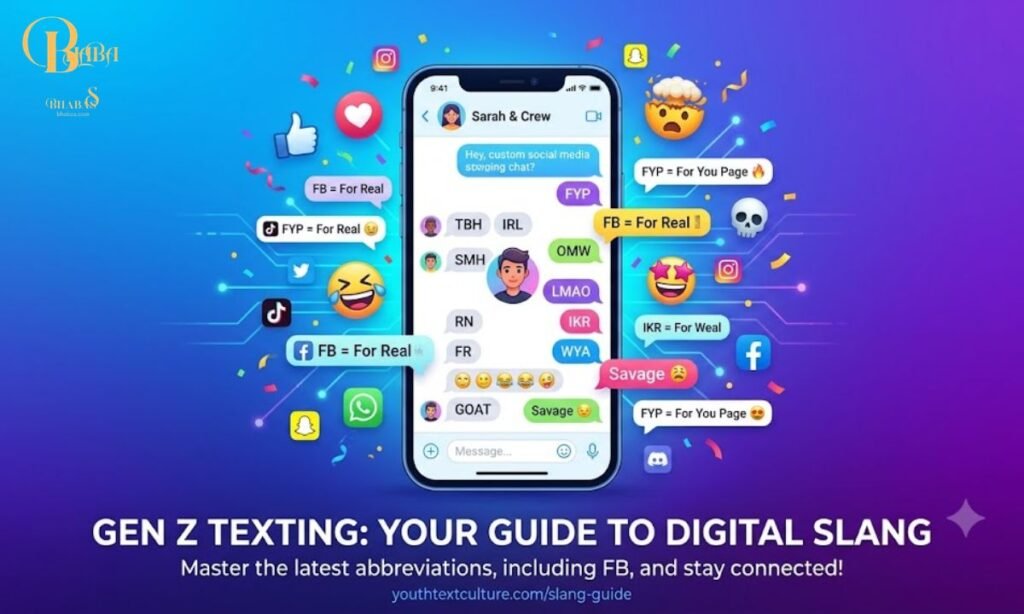
In text slang, FB mean in text goes beyond just Facebook or Friend Back. Depending on the group using it, the tone, and the platform, FB can carry several slang meanings:
- Follow Back — Used by social media users who want mutual follows
- Feedback — Common in semi-professional or peer review chats
- Flashback — Occasionally used when someone is referencing a memory or old photo
- F*ck Buddy — Rare but exists in very informal or adult conversations (use with caution)
The slang usage of FB is highly context-dependent. Reading the full conversation before assuming a meaning is always the smart move.
What Does FB Mean on Instagram?
On Instagram, FB most commonly means Follow Back. This is especially popular among content creators, influencers, and users who are trying to grow their follower count quickly.
You will usually see it in comment sections or DMs like:
- “Following you! FB?”
- “I’ll FB everyone who follows me today.”
- “New followers get FB instantly!”
Occasionally, someone might use FB on Instagram to refer to Facebook, especially when they are sharing content across platforms. But in the Instagram community, Follow Back is the dominant meaning.
What Does FB Mean on Facebook?
On Facebook itself, FB simply refers to the platform. People use it when talking about something they saw, posted, or shared on the site.
- “I uploaded the photos on FB already.”
- “Check your FB messages.”
- “My FB has been acting up all day.”
Since users are already on Facebook, using “FB” as a shorthand is natural and common. There is little chance of confusion in this context because the platform itself is the obvious reference point.
What Does FB Mean on Snapchat?
On Snapchat, FB usually means Follow Back — especially when someone is talking about connecting on another platform like Instagram or Facebook. It can also mean Facebook when users are discussing cross-platform sharing.
Common uses on Snapchat:
- “Add me on FB too so we stay connected.”
- “Just posted something on FB, go check it out.”
Since Snapchat is a private, friend-based app, the Friend Back meaning can also appear here when users are discussing adding each other on other social networks.
What Does FB Mean in Text From a Girl?
When a girl uses FB mean in text, the meaning is almost always the same as anyone else using it — Facebook or Follow Back. There is no special gendered meaning attached to this abbreviation.
- If she says “Check my FB,” she means her Facebook profile.
- If she says “FB me!” in a social media context, she is asking you to follow her back or add her.
Some people search for a hidden romantic meaning in FB from a girl, but there is no universal romantic connotation. If you are unsure, the safest move is to look at the conversation’s overall tone.
What Does FB Mean on TikTok?
On TikTok, FB almost always means Follow Back. It appears frequently in comment sections, especially among smaller creators who are actively trying to grow their audience through mutual engagement.
TikTok examples:
- “Comment done for FB!” (meaning: I commented on your video, now follow me back)
- “FB if you like my content!”
- “Following everyone who FBs me today.”
TikTok has a strong culture of reciprocal engagement, which is why the Follow Back meaning thrives there more than almost anywhere else.
What Does FB Mean on Twitter?
On Twitter (now known as X), FB also stands for Follow Back. Twitter has had a long-standing culture around follow-for-follow communities, where users trade follows to build their numbers faster.
- “Following you! FB?”
- “I FB everyone who follows and retweets.”
In some cases, FB on Twitter can also mean Facebook, particularly when someone is cross-promoting content between the two platforms.
What Does FB Mean on WhatsApp?
On WhatsApp, FB mean in text almost always refers to Facebook. WhatsApp is primarily a private messaging app, so the Follow Back culture is less present there. Users mention FB when discussing something they saw on Facebook or when directing someone to their profile.
WhatsApp examples:
- “I sent you the photos on FB already, check them.”
- “Let’s move this conversation to FB Messenger.”
- “Did you see that video going around on FB?”
In group chats, FB could occasionally appear as Follow Back if the group members are social media creators talking about growth strategies.
What Does FB Mean in Gender?
In gender-related discussions, FB does not have a widely recognized or standard meaning. It is not a common abbreviation in gender identity terminology. If you come across FB in a gender-related context, it is likely being used as a general shorthand rather than a specific label.
Some online communities have created their own internal slang where FB might carry a local meaning, but this is not universal. Always look at the broader conversation to understand the intent.
What Does FB Mean in Football?
In football, FB stands for Fullback — a traditional offensive position in American football. A fullback lines up in the backfield, usually ahead of the tailback, and is primarily responsible for blocking, short-yardage running, and protecting the quarterback.
Key facts about the FB position in football:
- Fullbacks are physically larger than halfbacks
- Their main job is lead blocking on running plays
- They also handle short-yard rushing and pass catching
- The FB position is less common in modern spread offenses but remains important in power-running schemes
Example: “The coach moved the FB into a blocking formation on third and short.”
What Does FB Mean?
To summarize everything clearly, here is what FB mean in text depending on the situation:
- Facebook — The most common meaning across all platforms and general texting
- Follow Back — Popular on TikTok, Instagram, and Twitter
- Friend Back — Used when asking someone to add you back on a social platform
- Feedback — Seen in professional or workplace messaging
- Fullback — Used in sports conversations, especially American football
- Flashback — Occasionally used when referencing a past event or photo
Where Is FB Commonly Used?
FB appears across many digital platforms and environments. Here is a breakdown of where you are most likely to encounter it:
| Platform | Most Common FB Meaning |
| Text Messages | |
| Follow Back | |
| TikTok | Follow Back |
| Twitter / X | Follow Back or Facebook |
| Snapchat | Follow Back or Facebook |
| Facebook (the platform itself) | |
| Work Chats / Email | Feedback |
| Sports Discussion | Fullback |
Examples of FB in Conversation
Here are realistic, everyday examples showing how FB mean in text looks in practice:
Example 1 — Facebook:
A: Did you see her post on FB? B: Yeah, I just commented on it!
Example 2 — Follow Back:
A: I followed you on Instagram, FB? B: Done! Followed you back.
Example 3 — Friend Back:
A: Just sent you a request on FB. B: Got it, accepted!
Example 4 — Feedback (Professional):
A: Can you give me your FB on this report? B: Sure, I’ll send it over by noon.
Example 5 — Fullback (Football):
A: Their FB had a great game today. B: Yeah, he broke three tackles on that last play.
When to Use and When Not to Use FB
✅ When to Use FB
- In casual conversations with friends who are familiar with texting abbreviations
- When talking about Facebook in a quick, informal message
- On TikTok or Instagram when asking for mutual follows
- In group chats where everyone understands social media slang
- In sports discussions where Fullback is the clear context
❌ When Not to Use FB
- In professional emails or formal workplace communication (spell out “feedback” or “Facebook”)
- When messaging someone who may not be familiar with text slang
- In academic writing or any formal content
- When the context is unclear and the message could be misread
- In customer service or business interactions where clarity matters most
Comparison Table
| Situation | Use FB? | Reason |
| Texting a close friend | ✅ Yes | Casual and well understood |
| Work email to a manager | ❌ No | Too informal, spell it out |
| TikTok comment for growth | ✅ Yes | Standard platform slang |
| Talking to someone unfamiliar with slang | ❌ No | Risk of confusion |
| Sports fan group chat | ✅ Yes | Context makes it clear |
| Academic assignment | ❌ No | Not appropriate for formal writing |
Similar Slang Words or Alternatives
If you want to switch things up or avoid confusion, here are some alternatives and related abbreviations you might see:
| Slang | Full Meaning | Used For |
| IG | Referring to Instagram | |
| SC | Snapchat | Referring to Snapchat |
| TT | TikTok | Referring to TikTok |
| F4F | Follow for Follow | Mutual following on social media |
| L4L | Like for Like | Mutual likes on posts |
| SFS | Shoutout for Shoutout | Cross-promotion between accounts |
| DM | Direct Message | Private messaging |
| HB | Halfback | Related football position |
Conclusion
Understanding what FB mean in text is simpler once you know the context. In most everyday conversations, FB refers to Facebook. On platforms like TikTok and Instagram, it shifts to Follow Back. In sports chats, it means Fullback. And in professional settings, it stands for Feedback. The same two letters carry different weight depending on where and how they are used.
Next time someone drops “FB” in a message, take a quick look at the context — the platform, the topic, and the tone of the conversation — and you will know exactly what they mean. Keep this guide bookmarked so you always have a clear reference whenever a new abbreviation throws you off. Digital language moves fast, and staying in the loop makes every conversation easier.

David is a passionate writer with four years of experience in blessings and prayers blogging. He currently works at Bhabas.com, crafting heartfelt messages that inspire hope, offer comfort, and help people express emotions in a meaningful and lasting way.