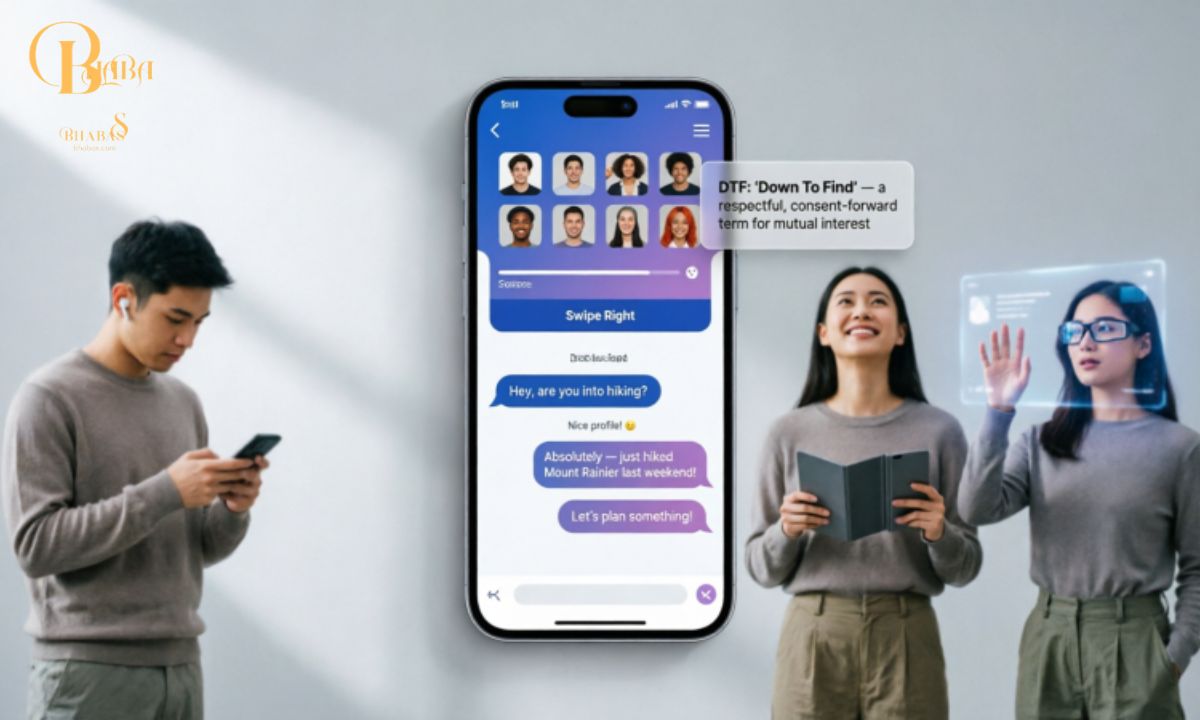
If you’ve ever received a message with the abbreviation “DTF” and had no idea what to say back, you’re not the only one. Internet slang moves fast, and terms that seem random at first glance often carry a very specific meaning depending on where and how they’re used. Understanding the DTF meaning in text can save you from awkward moments and help you navigate modern digital conversations with more confidence.
This guide covers everything you need to know about the DTF meaning in text — from its definition and origins to how it shows up across dating apps, social media, and online communities. Whether you’re a parent trying to decode your teenager’s messages, someone new to online dating, or just curious about internet slang, this article breaks it all down clearly and honestly.
Definition & Meaning
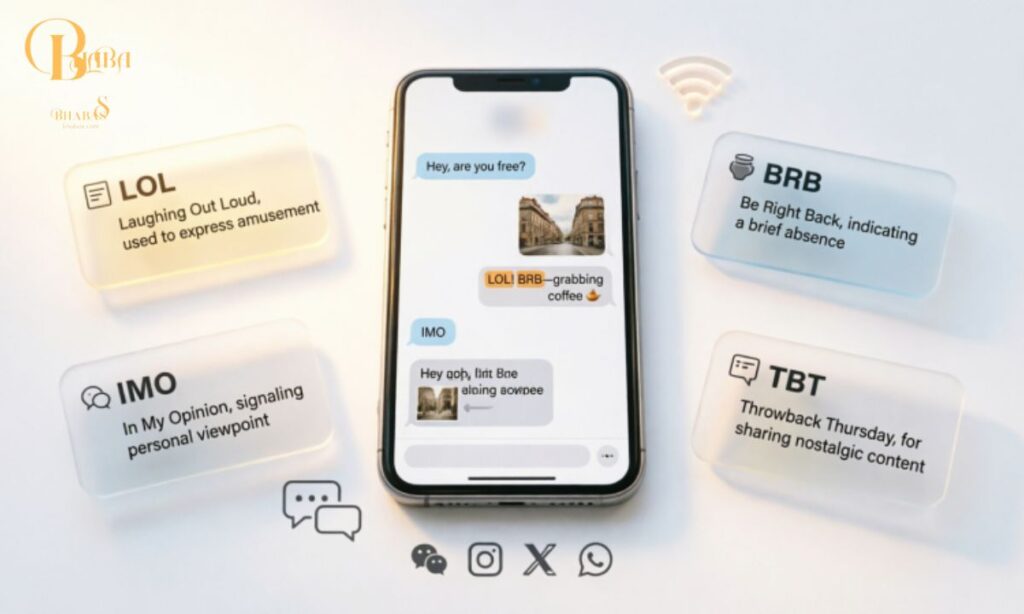
DTF stands for “Down To F***.” It is a slang abbreviation used in texting and online communication to indicate that someone is open to or interested in a casual sexual encounter. The term is direct, informal, and carries an adult tone by default.
In most digital contexts, when someone uses or asks “Are you DTF?”, they are signaling interest in a physical relationship without emotional strings attached. The phrase is rooted in the word “down,” which in American slang means “willing” or “ready.”
Quick reference:
| Term | Full Form | Primary Meaning |
| DTF | Down To F*** | Open to casual sex |
| DTF (alternate) | Down To Fun | Playful, non-sexual willingness |
| DTF (technical) | Direct To Film | Printing/textile industry term |
| DTF (rare) | Down To Fight | Used jokingly in gaming |
While the primary meaning is sexual, context always plays a deciding role. In some casual friend groups, DTF is used humorously or repurposed as “Down To Fun” — especially in situations involving food, movies, or group plans. However, unless the tone and relationship clearly suggest otherwise, the sexual interpretation is the one most people will assume first.
Background & History
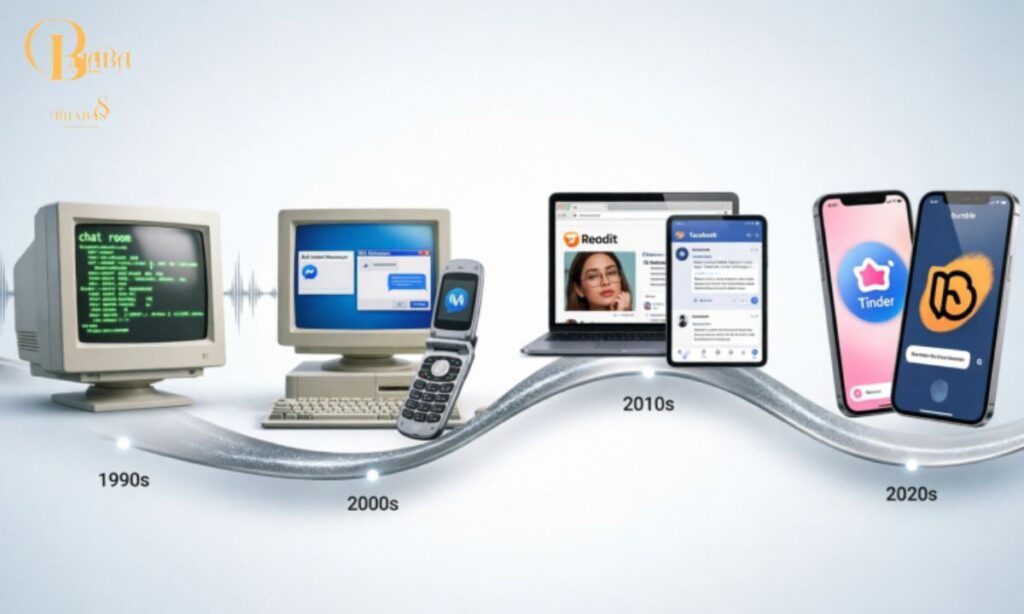
The phrase “down to f***” existed in spoken American slang well before smartphones became standard. According to Green’s Dictionary of Slang, the expression dates back to at least 2002 in online forums and early text culture.
The abbreviation DTF gained serious mainstream attention around 2009–2010, largely due to MTV’s reality show Jersey Shore, where cast members used it openly and frequently. It quickly moved from reality TV into everyday texting culture, especially among younger audiences.
As dating apps like Tinder, OkCupid, and Bumble grew through the early 2010s, abbreviated expressions became more practical. People wanted to communicate intent quickly, and shorthand like DTF meaning in text became standard vocabulary in hookup culture. By the mid-2010s, the term had spread beyond dating apps into memes, social media captions, and casual conversations online.
Today, the term is well-established across platforms and age groups, though its usage still skews toward younger adults and informal digital spaces.
It is also worth noting how the meaning of “down” as a standalone word evolved separately in Black American vernacular before being folded into broader internet slang. Phrases like “Are you down?” were common in spoken conversation long before the DTF abbreviation existed. When texting culture took off in the mid-2000s, combining “down” with more explicit language into a short acronym was a natural progression — brevity being one of the defining features of how people communicate over mobile devices. That evolution from spoken street slang to mainstream digital shorthand tells you a lot about how internet language actually develops: it rarely appears from nowhere. It borrows, condenses, and spreads.
Usage in Various Contexts
Understanding where and how this term appears matters just as much as knowing what it means. The DTF meaning in text does not always stay constant — it shifts slightly depending on the platform and the people involved.
1. Casual Text Conversations
In private text messages between friends or people who are dating, DTF is most often used in its primary sexual meaning. It typically appears late at night, in flirty conversations, or when someone is trying to gauge another person’s interest quickly.
Examples:
- “Hey, are you DTF tonight?”
- “Not looking for anything serious, just DTF tbh.”
- “She texted me asking if I was DTF — didn’t see that coming.”
The shorthand avoids a longer, more explicit message and lets the sender test the waters without directly spelling out what they want. Many people find this approach overly blunt, while others see it as refreshingly honest.
It is also worth paying attention to timing. A message at 2 AM carries a very different weight than the same message at noon. Late-night texts are more likely to signal a specific type of intent, while daytime use among close friends is more likely to be playful or ironic. Tone, emoji use, and prior conversation history all feed into how this term should be read. When someone adds a winking emoji or follows up with a joke, the meaning shifts. When the message arrives cold and out of nowhere, it tends to feel more forward or inappropriate. Reading those surrounding signals is what separates someone who handles these conversations smoothly from someone who misreads the room entirely.
2. Dating Apps
Dating apps are where the DTF meaning in text appears most frequently. On platforms like Tinder, Bumble, and Hinge, users encounter this term in profile bios, opening messages, and quick follow-up texts after matching.
Some users put “DTF” directly in their profile to signal that they are only looking for casual, no-strings-attached encounters. Others use it in the opening message to filter out people with different intentions.
On dating apps, context matters less because the default assumption is usually romantic or sexual interest. Still, it can feel aggressive or off-putting to many users, especially when it appears early in a conversation with someone they don’t know.
This is partly why some dating platforms have updated their community guidelines to flag or remove explicit language in profile bios. Tinder, for example, has tools that filter out bios using overtly sexual phrasing, partly to make the platform feel safer for new users and to reduce harassment reports. Despite these moderation efforts, the abbreviation continues to circulate because it is short enough to slip past automated filters and direct enough to communicate intent without leaving room for misinterpretation.
From a user behavior standpoint, people who include DTF in a dating profile are often deliberately self-selecting their audience — signaling that they are not looking for anything serious and filtering out people who are. Whether that works in their favor depends entirely on what the other person is looking for. For some users it reads as honest. For others it reads as a red flag.
3. Social Media and Memes
On platforms like TikTok, Instagram, and Twitter/X, DTF often loses its literal meaning and becomes part of meme culture. Content creators use it ironically or sarcastically to comment on dating culture, relationships, or everyday life.
You might see captions like:
- “Me at 9 PM on a Friday: DTF (Down To Feast) 🍕”
- “Are you DTF? (Down To finish this Netflix series with me)”
These playful rewrites acknowledge the original meaning while making it family-friendly or humorous. The meme-friendly version of DTF has helped the term live on social media in ways that the original explicit meaning would not easily allow.
4. Online Gaming or Communities
In gaming circles and some online communities, DTF occasionally appears as “Down To Fight” — used jokingly to challenge someone to a match or a competition. This version is almost always used in humor rather than as a genuine challenge.
It also appears in Discord servers, Reddit threads, and Twitch chats in meme-based ways, detached from its original sexual meaning entirely.
Common Misconceptions & Clarifications
The DTF meaning in text is one of those terms that comes with a lot of assumptions. Here are the most common ones that need correcting:
Misconception 1: DTF is always sexual. While that is the primary meaning, it is not the universal one. In lighthearted friend group chats, gaming communities, and memes, it is often used with no sexual intent at all.
Misconception 2: It’s a harmless greeting. On the other end, some people — especially those unfamiliar with slang — mistake DTF for a casual abbreviation like “LOL” or “BTW.” It is not. Using it accidentally in the wrong context can cause real confusion or discomfort.
Misconception 3: Everyone interprets it the same way. Interpretation varies significantly by age group, culture, and platform. A 22-year-old using Tinder will interpret it very differently than a 45-year-old receiving it in a text for the first time.
Misconception 4: DTF is always offensive. It is explicit by nature, but in the right context — between adults who understand the intent — it is simply casual slang. Whether it is offensive depends entirely on the relationship between the people involved and the setting.
Similar Terms & Alternatives
Several other abbreviations and expressions share similar territory with DTF in online dating and casual conversation:
| Term | Meaning | Tone |
| FWB | Friends With Benefits | Ongoing casual relationship |
| NSA | No Strings Attached | Casual, no commitment |
| DTM | Down To Meet | Willing to meet up (neutral) |
| DTP | Down To Party | Social, lighter tone |
| ISO | In Search Of | Looking for someone or something |
| HMU | Hit Me Up | Contact me (often flirtatious) |
| Netflix and Chill | Implied intimacy | Indirect, casual |
DTF is generally more direct and explicit than most of these alternatives. Terms like “NSA” or “FWB” imply a similar level of casualness but carry a slightly different expectation. “HMU” is the mildest of the group and does not necessarily carry sexual intent.
How to Respond to This Term
Knowing the DTF meaning in text is only part of the challenge. Knowing how to respond is just as important — and it depends entirely on how you feel about the message.
If You’re Not Interested
Keep your response brief and clear. You do not owe anyone a long explanation. A simple “No, not my thing” or “Not interested, thanks” is enough. Setting a clear boundary early prevents the conversation from going somewhere uncomfortable.
If the person pushes back after a clear “no,” it is completely reasonable to end the conversation, block, or report them on the platform.
One thing worth remembering: you do not need to soften your response out of politeness if the message itself was not polite. Being overly apologetic in a rejection — “Oh sorry, I’m just not in that headspace right now, maybe another time!” — can send mixed signals and invite further pressure. A firm, neutral response is kinder in the long run because it leaves no room for misreading. If the message came from someone you know personally and the use seemed out of character, a quick “Hey, that caught me off guard — what did you mean by that?” can be a reasonable way to clarify before assuming the worst.
If the Message Makes You Uncomfortable
Trust your instincts. If receiving this message feels wrong — especially from someone you barely know — it is okay to say so. A response like “That kind of message isn’t okay with me” is direct without being aggressive. On dating apps, you can also report the message for inappropriate content.
You are never obligated to respond to a message that makes you feel unsafe or disrespected.
If It’s Used as a Joke
If the context clearly indicates humor — like a friend saying “DTF (Down To Feast) at that new ramen place?” — you can simply play along. Match the energy of the message and move on. Reading the tone of the conversation beforehand usually makes it easy to tell when someone means it literally versus playfully.
Regional or Cultural Differences
The DTF meaning in text is most widely recognized in English-speaking countries, particularly in the United States, Canada, the United Kingdom, and Australia. In these regions, especially among younger adults (18–34), the term is commonly understood in its sexual context.
In many non-English-speaking countries, DTF may not land at all — the abbreviation does not translate directly into other languages, which can create confusion in cross-cultural digital conversations. Someone in Brazil or Japan receiving a message with “DTF?” might not know the term at all and look it up before responding.
Even within English-speaking countries, generational gaps matter. Older adults are far less likely to recognize the slang than younger adults. Using it with someone unfamiliar with internet slang can quickly lead to an awkward misunderstanding.
In more conservative cultural or religious settings, using this term — even casually — can come across as deeply inappropriate and offensive. Awareness of your audience is always essential before using any explicit internet slang in digital communication.
It is also worth noting how age gaps play out even within the same country. In the United States, for instance, someone who grew up in the early 2000s before smartphone culture was fully established may have a completely different reaction to this term than a 20-year-old who encountered it first on Snapchat. For the younger generation, it is often just part of the background noise of online communication — something you learn to recognize and filter. For someone older, receiving it unprompted can feel genuinely shocking or disrespectful.
Parents in particular should be aware that their children may encounter the DTF meaning in text in group chats, on social media, or through gaming platforms well before anyone explains what it means. Having an open, calm conversation about online slang — including what these terms mean and how to respond — tends to be far more effective than avoiding the topic entirely. Digital literacy includes knowing the language of the spaces young people actually spend time in.
Comparison with Similar Terms
It helps to see DTF alongside similar slang to understand where it sits on the spectrum of directness:
| Term | Level of Explicitness | Common Platforms |
| DTF | High | Dating apps, texts |
| NSA | Medium-High | Dating apps, forums |
| FWB | Medium | Dating apps, texts |
| Netflix and Chill | Low-Medium | Social media, texts |
| HMU | Low | All platforms |
| DTP (Down To Party) | Low | Social media |
DTF sits near the top of this scale in terms of bluntness. It leaves little to interpretation when used in its primary form. This is what makes it both popular (efficiency in communication) and controversial (potential to come across as crude or disrespectful, depending on context).
Usage in Online Communities & Dating Apps
Across major platforms, the DTF meaning in text shows up in distinct ways:
- Tinder and Bumble: Used in bios or opening messages to signal casual intent. Some platforms have started moderating overly explicit bios that use this term.
- Snapchat: Common in private messages and stories among people who are already flirting.
- Instagram: Mostly appears in memes, comments, and humor-based content rather than direct messages.
- TikTok: Predominantly used in comedy videos and meme culture around dating and hookup culture.
- Discord: Used in gaming servers, friend groups, and meme-based channels, often in the “Down To Fight” or humorous context.
- Reddit: Appears in relationship advice threads, slang explainer posts, and casual conversation subreddits.
The platform matters when interpreting this term. A public Instagram caption using “DTF 🍕” is almost certainly joking. A private Tinder message using it is almost certainly not
Hidden or Offensive Meanings
Beyond its widely recognized sexual meaning, DTF does appear in technical contexts that are entirely unrelated to dating or slang:
- Direct to Film (DTF): A printing method used in the textile industry to transfer designs onto fabric. Professionals in garment printing use this term daily with zero connection to its slang meaning.
- Data Transfer Function: Occasionally referenced in networking and programming documentation.
- Down To Fight: A gaming slang variation used in competitive communities.
For professionals working in printing or manufacturing, seeing “DTF” in a work email is completely routine and business-appropriate. It is only the slang context that carries offensive or adult connotations.
That said, the sexual interpretation is so widespread online that using the abbreviation carelessly in any digital communication — even with a technical intent — can cause unintended reactions. In professional settings, spelling out “Direct to Film” in full is always the safer choice.
Suitability for Professional Communication
This one is simple: DTF has no place in professional or formal communication.
Whether you are messaging a colleague, writing a work email, or communicating in any business context, this abbreviation should never appear. Even if you know the recipient understands slang, using it in a professional space signals poor judgment and a lack of digital etiquette.
In academic settings, customer service conversations, corporate emails, LinkedIn messages, and any client-facing communication, the term is completely inappropriate. The potential for misunderstanding and reputational damage is simply not worth the risk.
Consider a scenario where a textile manufacturing company uses DTF internally to refer to Direct to Film printing — a legitimate industry term. If an employee sends a message to a new client saying “We handle DTF orders of all sizes,” and that client is unfamiliar with the technical meaning, the result could range from confusion to genuine offense. This is not a hypothetical edge case; it has happened in real business communications, leading to awkward clarifications and strained first impressions. The fix is easy — always spell out technical acronyms in full when writing to someone outside your immediate industry.
If you are building a brand, managing a social media account, or writing for a general audience, avoid this term entirely unless you are intentionally writing about internet slang in an educational context, such as this article.
Conclusion
Understanding the DTF meaning in text is about more than just knowing a slang term — it is about reading digital conversations accurately and responding appropriately. At its core, DTF is a blunt, casual abbreviation for sexual interest, most common on dating apps, in private messages, and in meme culture. Context determines whether it is used literally, humorously, or technically.
Whether you are navigating online dating, decoding a confusing text, or staying informed about internet slang, knowing what DTF means in text gives you the awareness to respond on your own terms. Always prioritize your comfort, set clear boundaries when needed, and remember

David is a passionate writer with four years of experience in blessings and prayers blogging. He currently works at Bhabas.com, crafting heartfelt messages that inspire hope, offer comfort, and help people express emotions in a meaningful and lasting way.