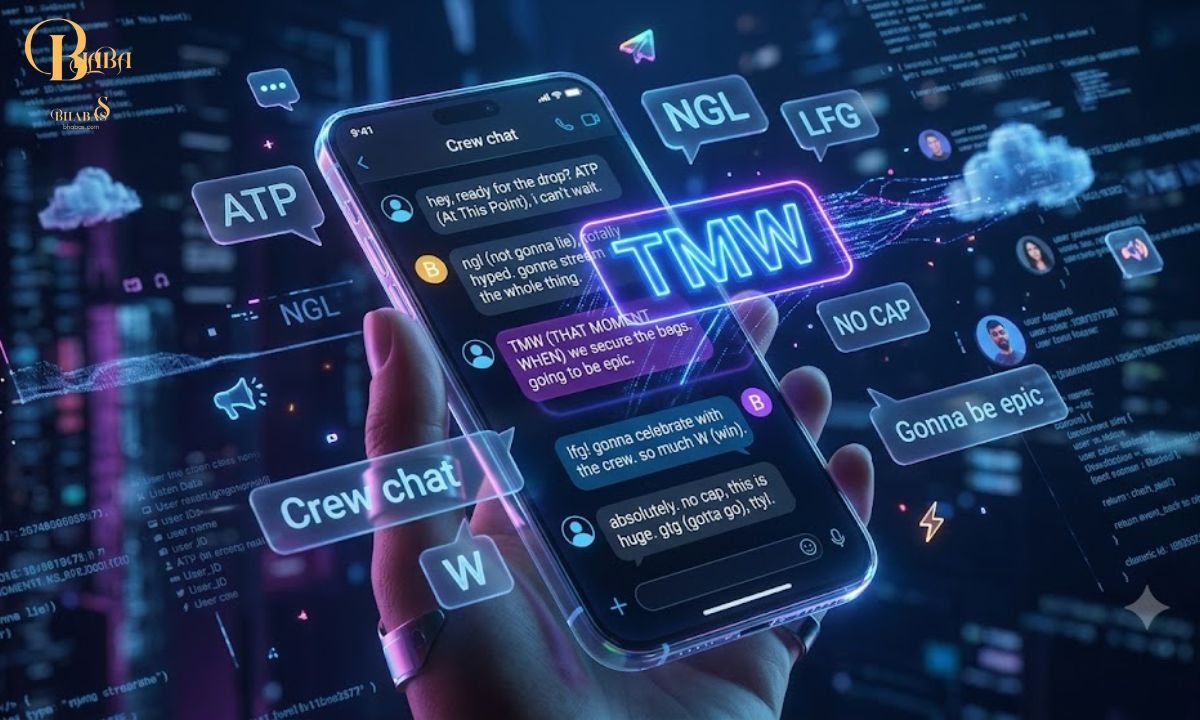
If you have seen “TMW” pop up in a group chat, a meme caption, or a comment section and had no idea what it meant, you are not alone. This three-letter abbreviation is one of the most searched internet slang terms because it quietly shows up everywhere online — yet its meaning shifts depending on context. At its core, TMW meaning in text usually points to one of two things: “That Moment When” or “Tomorrow,” and knowing which one applies can make the difference between understanding a joke and completely missing it.
This guide breaks down everything you need to know about TMW meaning in text — where it came from, how people use it across different platforms, how to respond when someone sends it, and when it is better to avoid it. You will also find comparison tables, real-world examples, and platform-specific tips to help you use or interpret the term correctly every time. Whether you are new to internet slang or just want to sharpen your digital communication skills, this article covers all the ground clearly and without unnecessary detours.
Definition & Meaning
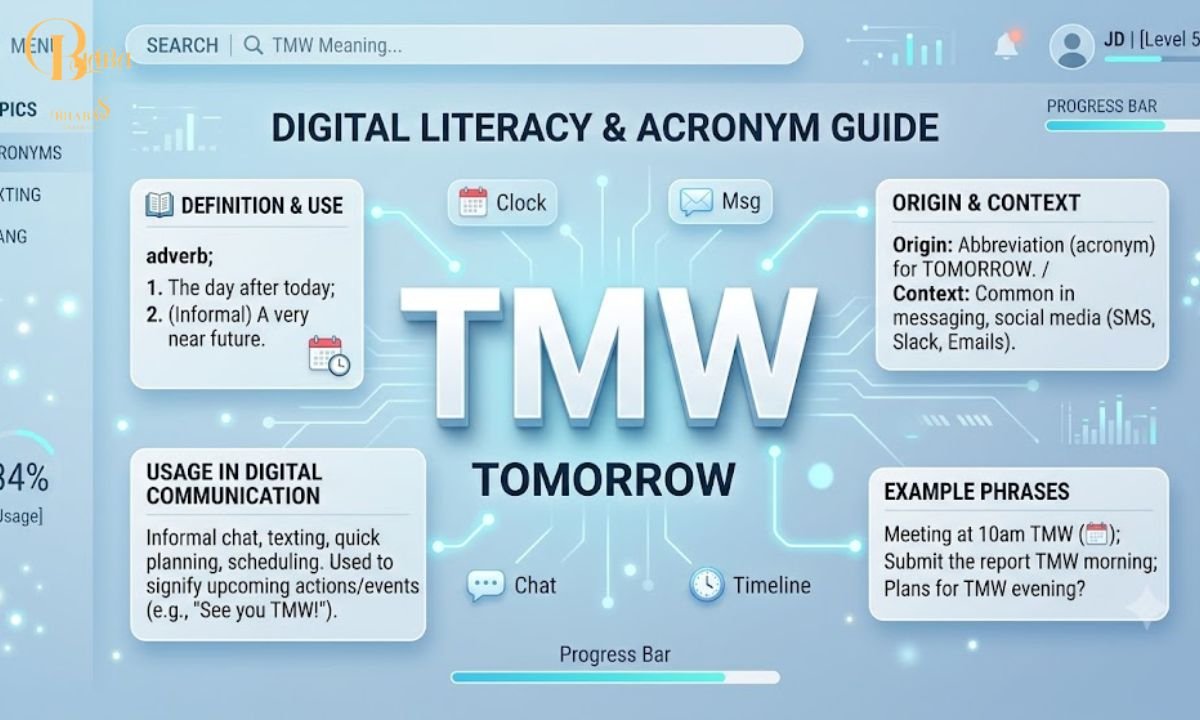
TMW is an internet abbreviation with two widely recognized meanings:
| Meaning | Full Form | Common Usage |
| That Moment When | Emotional/humorous reaction | Memes, social media captions, group chats |
| Tomorrow | Planning/scheduling shorthand | Texting, DMs, casual chat apps |
| Too Much Work | Venting or frustration | Occasional informal use |
The primary meaning in most online spaces — especially memes, Twitter/X, TikTok, and Reddit — is “That Moment When.” It is used to introduce a situation that others will recognize, relate to, or find funny.
The second meaning, “Tomorrow,” is far more common in one-on-one text conversations where someone is confirming plans or scheduling something.
Quick examples:
- “TMW you walk into the wrong classroom and just keep walking” → That Moment When
- “Can we reschedule for tmw instead?” → Tomorrow
Context is everything. Read the full sentence before deciding which meaning fits.
Background & History
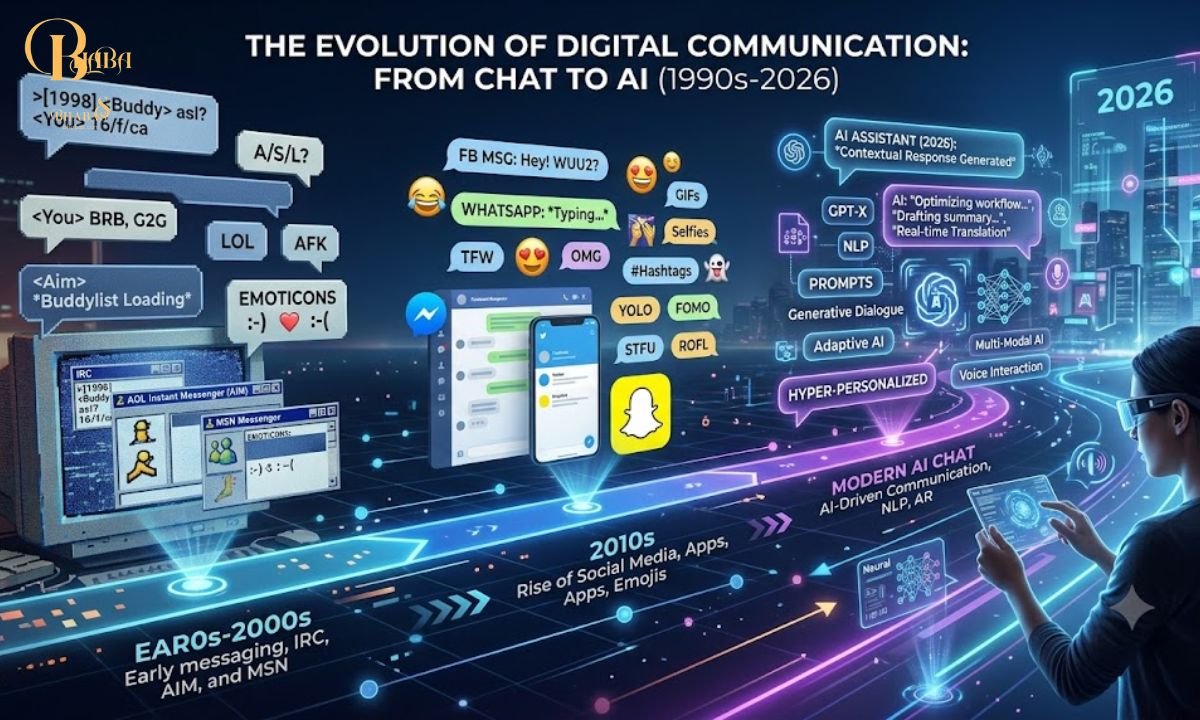
The phrase “That Moment When” was already part of everyday speech long before the internet shortened it. People naturally said things like “you know that moment when you forget what you were about to say?” to create shared understanding.
The abbreviation took off during the early 2010s meme boom, when platforms like Tumblr, Reddit, and early Facebook were flooded with image macros and reaction posts. These formats almost always started with a setup line — and “That Moment When” was a perfect setup. As character limits and mobile typing encouraged shorter text, TMW emerged as the natural shorthand.
Around the same time, SMS culture was pushing people to drop vowels and shorten common words. “Tomorrow” became “tmrw,” then “tmw,” as texters looked for faster ways to type routine words. The logic was simple: fewer keystrokes, same meaning.
By the mid-2010s, both meanings were in active use. Twitter’s early character limit of 140 characters made abbreviations like TMW especially useful, and the format spread further as Instagram, Snapchat, and eventually TikTok entered the picture. Today, TMW meaning in text is recognized across nearly every major English-speaking online platform, and it continues to evolve with each new generation of internet users who add their own spin to the format.
Usage in Various Contexts
Social Media Posts
On platforms like Instagram, Twitter/X, and Facebook, TMW almost always means “That Moment When.” It typically appears at the start of a caption, setting up a relatable or comedic scenario.
Examples:
- “TMW you finally clean your room and find the charger you bought a replacement for”
- “TMW your food order arrives with something missing but you are too socially anxious to call”
These posts perform well because they invite engagement. People comment, tag friends, and react because the moment described is one they have lived through.
Text Messages
In private messages, TMW most often means “Tomorrow.” It is a quick way to confirm plans, set reminders, or reference the next day without typing the full word.
Examples:
- “I will send it tmw morning, remind me”
- “We still on for tmw?”
If the message is between close friends who regularly share memes, “That Moment When” can still apply in texts — but scheduling context usually makes “Tomorrow” the obvious read.
Memes
Meme culture is where TMW truly lives. The format typically pairs the abbreviation with an image, GIF, or video that delivers the punchline. The text sets the scenario, and the visual reaction completes it.
Classic meme format:
“TMW you check the time and it’s 3 AM but you are not even tired”
The emotional charge here comes from the universality of the experience. Memes using TMW tend to go viral because they trigger recognition instantly.
Storytelling
Writers and content creators sometimes use TMW to open a personal anecdote or story online — especially in caption-style formats on Instagram or Threads. It functions like a hook, pulling the reader into a specific emotional moment before the full story unfolds.
Common Misconceptions & Clarifications
Several misunderstandings around TMW meaning in text come up regularly:
Misconception 1: TMW only means Tomorrow Many people who mainly text assume this is the only definition. In meme-heavy spaces, “That Moment When” is actually the more dominant meaning.
Misconception 2: TMW is the same as TMRW Not quite. “TMRW” is almost exclusively used for “Tomorrow,” while “TMW” carries both meanings. If you want to avoid confusion when scheduling, “tmrw” is the cleaner choice.
Misconception 3: TMW is always funny or sarcastic The “That Moment When” version can carry genuine emotion — relief, anxiety, embarrassment, or excitement. It does not have to be a joke.
Misconception 4: TMW is the same as TFW These two are close siblings but not identical. TFW (“That Feeling When”) emphasizes an internal emotional state, while TMW focuses on a specific situation or event that triggered it.
Similar Terms & Alternatives
| Abbreviation | Full Form | Key Difference |
| TFW | That Feeling When | Focuses on emotion, not the event |
| MFW | My Face When | Usually paired with a reaction image |
| ICYMI | In Case You Missed It | Used to reference something already shared |
| SMH | Shaking My Head | Expresses disbelief or disappointment |
| POV | Point of View | Sets up a scenario from a specific angle |
| TMR / TMRW | Tomorrow | Clearer alternatives for scheduling |
If you want to express a relatable moment, TMW and TFW are your closest options. Use TMW for the situation itself; use TFW for the feeling it produces.
How to Respond to This Term
When someone uses TMW in a message or post, your response depends on which meaning they used and what tone they set.
Agreeing with the Situation
If someone shares a relatable “That Moment When” post or message, the easiest response is simply confirming you recognize the experience.
- “This is literally me every Monday”
- “I felt this in my soul”
- “Happened to me last week, no lie”
These responses show you connected with the moment, which is exactly the point of using TMW in the first place.
Adding Your Own Experience
TMW often acts as an open door for shared storytelling. You can respond by adding a similar moment from your own life.
- “TMW you do that and then realize everyone saw you”
- “Mine was worse — I did this twice in the same week”
This kind of reply builds on the conversation naturally and keeps the exchange going.
Reacting with Humor
If the TMW post was meant to be funny, lean into it with a humor-based response. GIFs, emojis, and one-liners all work well here.
- “Not me watching this while actively doing this exact thing 💀”
- “The accuracy of this is genuinely alarming”
- “Please stop exposing me like this”
Light sarcasm and self-aware humor land well in these exchanges, especially in group chats or comment sections.
Regional or Cultural Differences
TMW meaning in text is most widely understood in English-speaking online spaces — particularly in the United States, the United Kingdom, Canada, and Australia. These are also the regions where meme culture and casual texting abbreviations are most embedded in daily communication.
In non-English-speaking countries, TMW is less immediately recognized, though heavy social media users and those active in global online communities tend to pick it up quickly through exposure.
There is also a generational divide. Millennials and Gen Z users, especially those who spend time on platforms like Reddit, TikTok, and Twitter/X, are far more likely to recognize and use TMW than older audiences or those less active on social media. Even within the same age group, someone who grew up in a community with a strong meme culture will naturally process TMW faster than someone who only uses their phone for calls and emails.
If you are texting or posting for a mixed audience, it is worth considering whether everyone will catch the reference. When in doubt, writing out the full phrase — “that moment when” or “tomorrow” — keeps the message clear for everyone without losing much efficiency.
Comparison with Similar Terms
Here is how TMW stacks up against the terms it most commonly gets confused with:
| Term | Meaning | Tone | Best Platform |
| TMW | That Moment When / Tomorrow | Relatable, humorous, casual | Twitter, TikTok, texting |
| TFW | That Feeling When | Emotional, introspective | Reddit, Twitter, memes |
| MFW | My Face When | Visual, reactive | Image boards, Reddit |
| POV | Point of View | Narrative, creative | TikTok, Instagram Reels |
| SMH | Shaking My Head | Disapproving, exasperated | Twitter, texts |
The key takeaway: TMW sets up a situation, TFW expresses what that situation felt like, and MFW shows your face in response to it. All three are related but serve slightly different purposes in online communication.
TMW Meaning in Transportation
Outside of texting and internet culture, TMW appears in a few technical and industry-specific contexts.
In aviation and aerospace, TMW can stand for Thrust Management Warning — an alert system used in aircraft avionics to flag thrust-related issues during flight operations. Pilots and flight engineers who encounter this term are operating in a completely different world from the one where teenagers post memes.
In physics and engineering, TMW sometimes refers to Transverse Magnetic Wave, a term used in electromagnetic theory and signal propagation studies.
In some logistics and supply chain contexts, TMW is also the name of transportation management software used to coordinate fleet operations and freight management.
These meanings have nothing to do with the slang usage and only appear in professional, academic, or industry documentation. If you see TMW in an aviation manual, a physics textbook, or a logistics report, neither “Tomorrow” nor “That Moment When” applies.
Usage in Online Communities & Dating Apps
Reddit and Forums
Reddit is one of the platforms where TMW meaning in text (specifically “That Moment When”) became a major cultural format. Subreddits built around shared experiences, humor, and reaction content embraced the TMW format early. Users post threads that begin with TMW as a way to crowdsource relatable moments from a community.
Example Reddit post title: “TMW you spend an hour explaining something and realize the person was not even listening”
The replies typically flood in with people sharing their own versions of the same experience.
TikTok & Instagram
On TikTok and Instagram, TMW appears in video captions, text overlays, and comment sections. The format pairs especially well with short video content because the clip itself becomes the punchline to the setup. A creator might caption a video “TMW autocorrect makes the situation so much worse” over footage of a message going horribly wrong.
Instagram Stories and Reels also use TMW for engagement bait — captions designed to make viewers stop, laugh, and tag someone who would relate.
Dating Apps
On apps like Tinder, Hinge, and Bumble, TMW meaning in text shifts toward self-presentation and light humor. People use it in bios or opening messages to signal personality and approachability without coming across as too intense.
Bio example: “TMW you match with someone who actually reads the prompts”
Message example: “TMW the restaurant you picked has a two-hour wait but neither of us wants to admit it was a bad idea”
This usage works because it creates an instant sense of shared humor and makes the conversation feel more natural from the start.
Hidden or Offensive Meanings
TMW does not carry any inherently offensive meaning. However, like most open-ended formats, it can be used in ways that come across as rude or dismissive depending on the context and the target.
Situations where TMW can land wrong:
- Mocking tone: “TMW your outfit looks straight out of 2010” directed at a specific person crosses into personal criticism rather than shared humor.
- Minimizing serious topics: Using TMW to make light of something that genuinely upset someone can feel dismissive. “TMW you get broken up with over text” might be funny to an outsider but painful to the person it happened to.
- Passive-aggression: “TMW someone says they will be there at 7 and shows up at 9” — in the wrong context, this signals frustration at someone specific rather than general relatability.
The abbreviation itself is neutral. Tone, target, and timing are what determine whether it reads as humor or as a subtle dig. A good rule of thumb: if the “That Moment When” setup could make someone feel called out or embarrassed in front of others, reconsider sending it. Shared humor works best when everyone in the conversation can laugh along — including the person the post is about.
Suitability for Professional Communication
TMW is not appropriate for professional or formal communication. This includes workplace emails, client messages, business proposals, or any written context where clarity and professionalism are expected.
Here is a quick breakdown:
| Context | TMW Appropriate? |
| Text to a close friend | Yes |
| Group chat with colleagues | Depends on workplace culture |
| Email to a manager or client | No |
| Social media post for a brand | Use with caution |
| Internal team Slack (casual teams) | Sometimes acceptable |
| Formal report or document | Never |
If you are in a casual Slack team where memes are a normal part of communication, TMW might fit. In any context where you want to be taken seriously, write out the full word or phrase instead.
Conclusion
Understanding TMW meaning in text comes down to reading the room. In scheduling conversations and quick DMs, it almost always means “Tomorrow.” In meme captions, social media posts, and group chats, it typically means “That Moment When” — a setup for something relatable, funny, or emotionally resonant. Both uses are casual, informal, and widely understood by anyone active in modern online spaces.
Now that you know how TMW meaning in text works across different platforms and contexts, you can use it naturally without second-guessing yourself. The key rules are simple: read the surrounding message, match the tone, and skip it entirely when the conversation calls for clear, professional language.

David is a passionate writer with four years of experience in blessings and prayers blogging. He currently works at Bhabas.com, crafting heartfelt messages that inspire hope, offer comfort, and help people express emotions in a meaningful and lasting way.