You opened a message, saw three letters — WSG — and had no idea what to do next. That happens to a lot of people. Internet slang moves fast, and not every abbreviation comes with a manual. WSG is one of those terms that spread through group chats, Snapchat streaks, and TikTok comments before most people even noticed it was happening. If you are seeing it for the first time or just want to be sure you have been reading it right, this article is for you. It shows up in DMs from people you have not spoken to in weeks, in TikTok comment sections under videos that have nothing to do with greetings, and in Snapchat messages sent at 11 PM with no other context. Three letters, and somehow everyone under 25 knows exactly what it means.
This guide covers everything about WSG: what it means, where it came from, how it works on different platforms, and how to reply without making things awkward. You will also get real conversation examples, a look at how WSG compares to similar slang like WYD and WYA, and answers to the most common questions people search. No fluff, no guesswork — just a clear, complete explanation of WSG and how it is actually used in 2026. By the end you will know how to use it, how to respond to it, and when to leave it out entirely.
What Does WSG Mean?
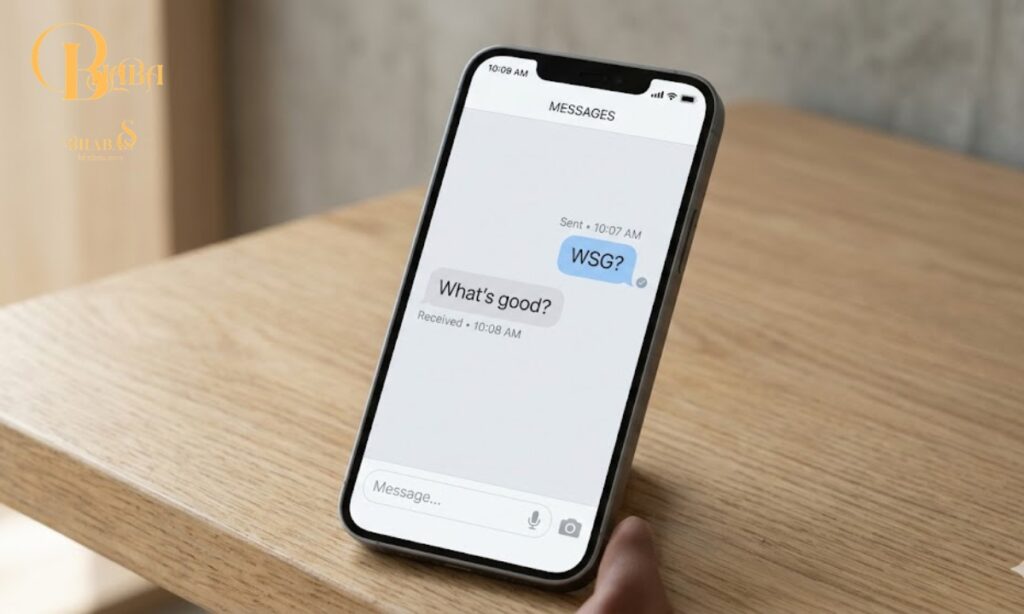
WSG stands for “What’s good?”
It is a casual greeting used in text messages and on social media. When someone sends you WSG, they are asking how you are doing, what you are up to, or just opening a conversation — the same way someone might say “What’s up?” or “How’s it going?” in everyday speech.
The short answer for a featured snippet:
WSG = What’s good? — a casual, friendly greeting used in texting, Snapchat, TikTok, and Instagram DMs.
Capitalization does not change the meaning. Whether you see wsg, Wsg, or WSG, the definition stays the same. The lowercase version is more common in casual texting — it feels more natural, more in-the-moment. All-caps shows up on Twitter or TikTok when someone wants to add emphasis or a bit more energy to the message. Neither form is more correct than the other.
WSG fits into the same family of digital shorthand as WYD (what you doing), HBU (how about you), and WYA (where you at). What sets it apart is its warmth. While WYD asks specifically about what you are doing right now, WSG is broader — it is an open invitation to share whatever is on your mind. That flexibility is part of why it became so popular so quickly. It does not demand a specific type of answer. You can respond with what you are physically doing, how you are feeling emotionally, or just say “nothing much” and let the conversation go wherever it goes.
WSG is also worth understanding because of what it signals about the relationship between the two people using it. You generally do not send WSG to someone you are not already at least somewhat comfortable with. It implies a certain level of existing familiarity — not necessarily closeness, but enough to skip a formal hello.
The Most Common Meanings of “WSG”
WSG has one primary meaning and two secondary ones that come up less often. Context usually makes it clear which one is being used.
1. What’s Good
This is the meaning behind roughly 95% of WSG uses. It functions as a greeting, a check-in, or a conversation opener. Think of it as the text equivalent of walking up to someone and asking, “Hey, how are things?”
Example: “wsg, haven’t talked to you in forever”
It can also carry a slight edge depending on tone. Between close friends, “WSG?” with no other context can mean “why haven’t you been texting me?” — more of a playful nudge than a simple hello.
2. What’s Going [On]
Some people use WSG as shorthand for “What’s going on?” This version is more curious and situation-specific. Instead of a general greeting, it is asking about something happening in the moment.
Example: “You seem upset. WSG?”
Here it does not mean hello — it means “tell me what is happening.” The difference comes through in context. If the conversation was already in progress before WSG appeared, this meaning is the more likely one.
3. What’s Gucci
This one is less common but worth knowing. “Gucci” entered American slang as a synonym for “good” or “great,” drawn from the luxury brand’s association with quality. So “What’s Gucci?” means roughly the same thing as “What’s good?” — just with an older Gen Z or late millennial flavor.
Example: “WSG bestie, everything Gucci on your end?”
You will mostly hear this version in communities where “Gucci” is still part of active vocabulary. It is rarer in 2026 than it was a few years ago, but it still shows up.
Where Did WSG Come From?
The phrase “What’s good?” has been part of spoken American English for decades, especially in African American Vernacular English (AAVE) and hip-hop culture. It was used as a greeting, a check-in between friends, and sometimes as a direct challenge depending on tone — “What’s good?” said sharply in the wrong context could mean “You want a problem?” The same phrase that greeted a friend on the corner could also be used to call someone out. Context and tone did all the heavy lifting.
The warmth and directness of the phrase made it a natural fit for everyday conversation long before anyone abbreviated it. Hip-hop artists used it in lyrics and interviews going back to the early 2000s. It appeared in movies and TV shows that depicted urban American life. Young people across different communities picked it up through music, pop culture, and day-to-day interaction. By the time smartphones became universal, “What’s good?” was already a well-worn piece of casual American English.
The typed acronym WSG started appearing around 2019 and 2020, with Snapchat serving as its main launchpad. The platform’s short, fast message format was a perfect match for three-letter abbreviations. Users were sending daily check-ins, maintaining streaks, and firing off quick DMs — and “WSG?” fit that rhythm exactly. It was faster to type than the full phrase, carried the same friendly energy, and felt native to the digital environment.
From Snapchat, it spread to Twitter and Instagram. Then TikTok pushed it global. When creators started using WSG in captions, comments, and live streams, it reached audiences well beyond the communities where the original phrase had lived for years. A teenager in London or Manila could pick up WSG from TikTok just as easily as someone in New York, even if they had never encountered the spoken version of the phrase. That is how digital slang travels in 2026 — platform by platform, creator by creator, until it is just part of the vocabulary everyone shares online.
It is worth noting that WSG, like many pieces of internet slang with a wide reach, has roots in Black American language and culture. Recognizing that origin is part of understanding the term accurately, not just using it because it is trending.
Timeline of WSG:
| Period | What Happened |
| Pre-2010s | “What’s good?” used as spoken AAVE greeting and hip-hop phrase |
| Mid-2010s | Social media shorthand becomes standard; “wyd,” “hbu,” and similar acronyms are normalized |
| 2019–2020 | WSG acronym appears on Snapchat and Twitter |
| 2021–2022 | TikTok spreads WSG globally across Gen Z |
| 2023–2026 | WSG becomes standard casual slang across every major platform |
Every Way WSG Is Used
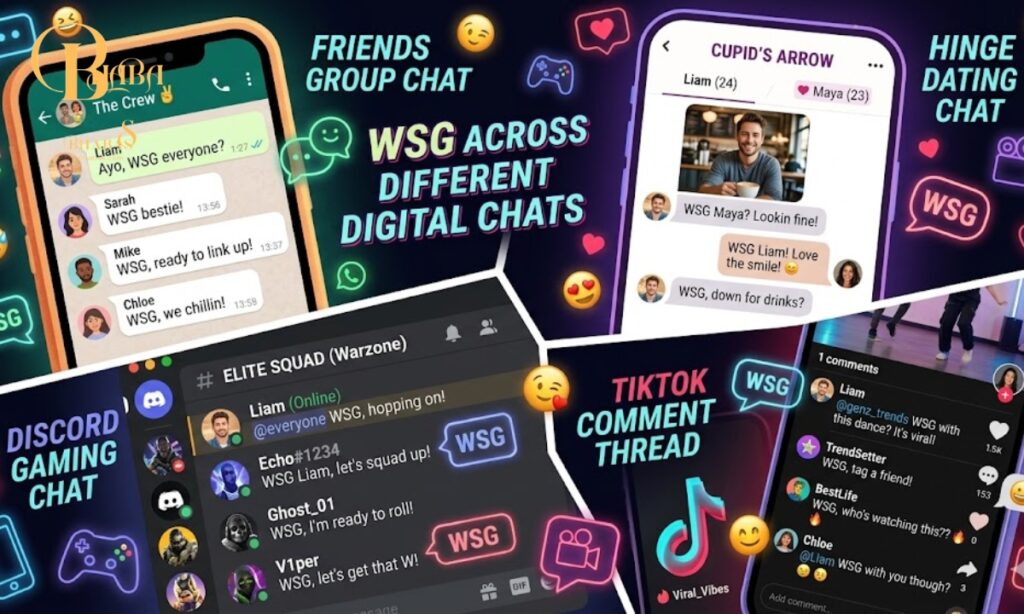
WSG is more flexible than it looks. Here are the main situations where it shows up:
- As a conversation opener: The most common use. Someone has not talked to you in a while and sends WSG to restart things. No explanation, no preamble — just WSG and a question mark, or sometimes not even that.
- As a daily check-in: On Snapchat especially, WSG is used to keep streaks alive or just maintain contact with close friends. It is the digital equivalent of nodding at someone you see every day.
- To ask about plans: “WSG tonight?” is a quick way to ask if someone is free or has anything going on. It is looser than “are you busy?” and invites a range of responses.
- To show interest or flirt: With the right emoji, WSG takes on a different tone entirely. “WSG 😏” reads differently than a plain “wsg?” The context — who sent it, what time it was sent, what platform it is on — fills in the rest.
- To express mild frustration: Between close friends, WSG can be a soft way of saying “why haven’t I heard from you?” It is never aggressive, but it carries a hint of “you have been absent.”
- In comments and captions: On TikTok and Instagram, WSG shows up in comment sections as a way to engage with creators or other users. It is less of a question and more of a social gesture — “I see you, what’s up.”
- In gaming chats: Discord servers and online lobbies use WSG the same way they use “hey” or “what’s up” — a quick opener before getting to actual logistics.
The phrase is almost always positive or neutral. It is rarely aggressive unless the surrounding message makes it that way. The tone of the sender, the history between the two people, and the platform being used are what decide how to read it.
WSG on Every Platform
WSG does not behave identically everywhere. Here is how it works across the major platforms:
| Platform | How WSG Is Used |
| Snapchat | Daily opener, streak-keeper, DM starter. “wsg, snap me back” is practically native language here. |
| TikTok | Comment sections, captions, live streams. Often paired with an emoji. “Wsg bestie 🥺” under a creator’s video is common. |
| DMs and comment replies. More casual than a full message, warmer than just a reaction. | |
| Twitter / X | Used for quick engagement, sometimes paired with a meme or screenshot to add humor. |
| Text Messages | Same meaning as everywhere else. No platform-specific behavior — just a casual greeting. |
| Discord / Gaming | Shows up in server chats and DMs. Treated the same as “what’s up” in gaming communities. |
How to Respond to WSG
When someone sends you WSG, they are opening a conversation. You do not need to overthink the reply. Here are your options depending on the situation:
If things are going well: Reply with what you are actually up to, or match their energy with a simple “not much, you?”
If you want to keep it short: “All good” or “chilling” works fine.
If you want to redirect: Answer briefly and flip it back — “nothing much, what’s good with you?”
The key thing to avoid is a long, formal reply. WSG is casual. A response that reads like an email will feel out of place.
WSG in Real Conversations
Seeing WSG in context makes it easier to understand than any definition. Here is how it actually looks across different situations.
Friends & Casual Texting
Friend 1: wsg, haven’t heard from you in a bit
Friend 2: bro nothing much, been working a lot. you?
Friend 1: same lol. WSG tonight though, you free?
This is the most common version. Pure check-in, no hidden meaning.
Instagram & Snapchat
DM from follower: wsg 🔥 love your content
Creator reply: wsg!! thank you so much 😭
WSG here is less of a question and more of a warm greeting. The creator is using it the same way they might say “hey, thanks!”
Dating Apps
Match: WSG 😏
Reply: not much, just got off work. you?
The emoji does a lot of work here. WSG on a dating app is usually a low-effort opener with flirtatious intent. The response style should match — casual, open, not too eager.
Gaming & Online Communities
Player in Discord: WSG anyone want to run ranked tonight
Reply: wsg, I’m down, give me 20
Here WSG functions almost like “hey” — it is a quick greeting before getting to the actual point of the message.
Work or Professional Chat
WSG does not belong in professional settings. It is too informal for work emails, client messages, or anything in a formal context. Even in casual team Slack channels, read the room first.
How to Respond When Someone Says “WSG”
Here is a quick reference for different types of replies:
Casual Replies
- “Not much, just chilling. You?”
- “All good, what’s up with you?”
- “Nothing crazy, been busy. WSG with you?”
Funny Replies
- “WSG back at you, what do you want 😂”
- “The audacity of this WSG after three weeks of silence”
- “Me? WSG with YOU”
Neutral Replies
- “Hey! Not much going on.”
- “All good over here. What’s up?”
- “Just got back from work. How are you?”
Professional Replies
If someone sends WSG in a work context by mistake, just treat it like a casual “hello” and respond normally. “Hey, doing well — what did you need?” keeps things friendly without matching the informality.
WSG vs WYD vs WSP vs WYA vs HMU
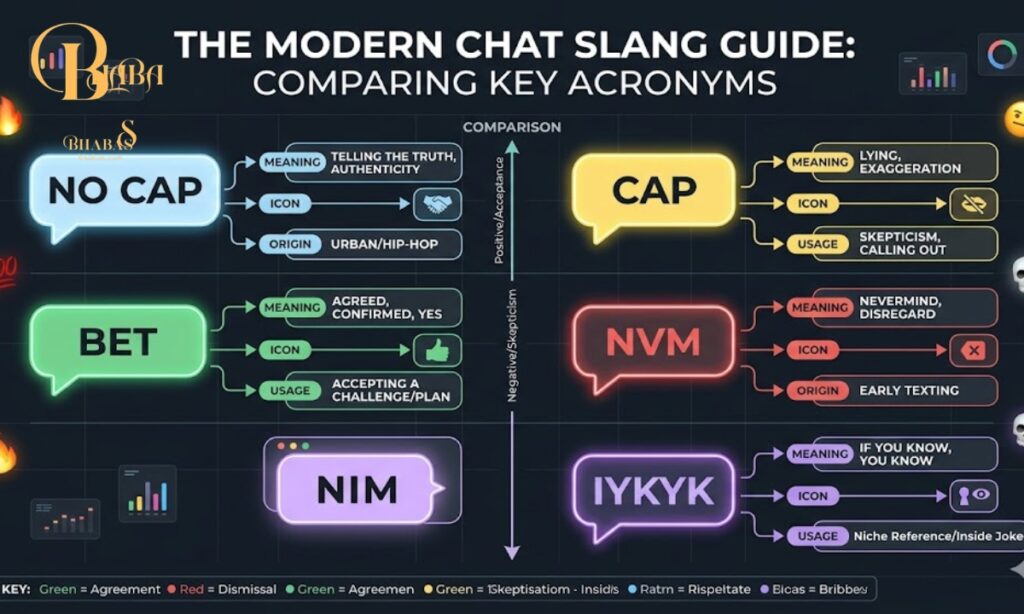
These acronyms all live in the same conversational space, but they are not interchangeable. Here is how they differ:
| Acronym | Stands For | What It’s Actually Asking |
| WSG | What’s good? | General greeting / check-in |
| WYD | What you doing? | What are you up to right now? |
| WSP | What’s up? | Casual greeting, very similar to WSG |
| WYA | Where you at? | Where are you physically located? |
| HMU | Hit me up | Contact me / reach out later |
| HBU | How about you? | Asking back after being asked |
WSG and WSP are the closest to each other in meaning. The difference is mostly generational and stylistic — WSG carries a slightly more hip-hop-influenced feel, while WSP is more general. WYD is more specific because it asks about the present moment. WYA assumes you already know the person is free and just want to know their location. HMU is a request rather than a greeting.
WSG Mistakes That Make You Look Out of Touch
A few things to avoid if you want to use WSG naturally:
Using it in formal messages. Sending WSG to a client, a teacher, or a boss is a quick way to look unprofessional. Save it for people you actually text casually. The abbreviation signals informality before anyone even reads the response.
Responding too formally. If someone sends WSG and you reply with “Hello! I am doing well, thank you for asking,” the mismatch is immediately noticeable. It reads like you ran it through a corporate email filter. Match the energy.
Overusing it. Starting every single message with WSG gets repetitive fast. It works as a conversation opener, not as a filler word you drop into every paragraph or message.
Ignoring the question. WSG is an invitation to talk. Leaving it on read without any reply at all reads as dismissive unless you have a clear reason to not respond. Even a brief “wsg, busy rn” is better than silence.
Using it in serious conversations. If someone is going through something difficult, opening with WSG can feel tone-deaf. When someone has shared that they are upset or dealing with something hard, a casual “wsg” as your opener is the wrong call.
Misreading the tone. WSG from someone you barely know, combined with certain emojis, is probably not just a friendly check-in. On the flip side, assuming every WSG has a hidden meaning will make you read too much into a genuinely simple message. Start with neutral until the context makes something else clear.
Using it ironically without context. Some people use slang ironically to be funny, but WSG does not have a strong ironic tradition. If you send WSG sarcastically, the person receiving it almost certainly will not pick up on it.
WSG in Pop Culture
WSG has made appearances beyond direct messaging. Hip-hop artists have used “What’s good?” in songs and interviews for years, and the digital version of the phrase has followed the same cultural path. The spoken phrase appeared in rap verses and was referenced in interviews by artists who used it the way most people use “how’s it going” — as a standard, comfortable greeting that also carried a certain attitude.
On TikTok, creators use “WSG” as a caption format to greet their audience at the start of a video — similar to how a YouTuber might say “what’s up guys” before getting into the content. Comment sections frequently fill with WSG responses as a way of engaging with a post without having to say anything specific. It is a placeholder that still carries warmth.
The phrase has also appeared in memes — usually screenshots of someone sending WSG after a long period of silence, with the joke being the audacity of a casual check-in after weeks of no contact. That meme format became widespread enough that many people now recognize WSG not just as a greeting but as shorthand for “acting like nothing happened after disappearing.” The meme and the actual usage overlap, which adds another layer of meaning that only regular users of the internet would naturally pick up.
WSG also occasionally appears as part of hashtag strategies on TikTok and Instagram, where creators or users drop it in captions to keep the tone casual and relatable. The #WSG hashtag has accumulated millions of views on TikTok, with content ranging from greetings to lifestyle videos where the caption is just WSG with an emoji and no further explanation.
WSG Around the World
WSG started in American English, rooted specifically in AAVE and Black internet culture. As it spread through TikTok and Instagram, it reached users globally — including in countries where English is not the primary language.
Non-native English speakers often pick up WSG because it is short, easy to type, and carries a clear social signal even without knowing every layer of its origin. In multilingual conversations, it can appear alongside local slang in the same message without any real friction. A French teenager might drop WSG into a message that is otherwise entirely in French. A Filipino creator might use it in the caption of a video where everything else is in Tagalog.
That said, WSG does not translate directly into other languages. There is no German WSG or Spanish WSG — at least not in common use. It works in international digital communication because the platform culture around it is global, but in-person use outside English-speaking communities is rare. If you said “wsg” out loud in a non-English-speaking country, most people would not know what you meant. Type it in a TikTok comment and most young users globally would understand it immediately. That gap between spoken and typed use is a consistent feature of platform-specific internet slang.
One thing to keep in mind: because WSG has roots in AAVE and Black American culture, using it with full awareness of that context — rather than just as a trend to follow — is the respectful approach. That does not mean non-Black users cannot use it. It means understanding where it came from is part of using it well.
Different regions also have their own equivalents of WSG that exist alongside the English version. “Wagwan” from Caribbean English is one example — it means roughly the same thing and has its own path through UK and global internet culture. In some multilingual spaces online, these regional equivalents mix together without conflict.
How Brands Can Use WSG Without Getting It Wrong
Some brands have tried to tap into Gen Z slang to seem more approachable online. Sometimes it works. Usually, it does not. Here is the difference:
When it can work:
- The brand already has an established casual, conversational tone and has built that voice consistently over time
- The platform is TikTok or Instagram, where informal language is the norm and the audience expects it
- The usage feels natural rather than forced — a comment reply from a community manager, not a headline in a product launch campaign
- The brand genuinely understands the cultural background of the term and is not just copying what it saw trending
When it goes wrong:
- A legacy brand suddenly drops WSG in a tweet with no prior casual tone established — it reads as a team sitting in a boardroom deciding to “go viral”
- WSG is used in a marketing email or formal announcement where the tonal mismatch is immediate
- It reads like a brand trying to connect with younger audiences in a way that those audiences can clearly identify as performed rather than natural
- The surrounding content is completely out of step with the slang
The rule for brands: if you have to ask whether using WSG will feel authentic, it probably will not. Casual slang works when it grows naturally out of a brand’s existing voice. Dropping it in as a one-off to seem trendy typically backfires, and the audience it is targeting is often the first to call it out. Younger users are particularly good at spotting when a brand is performing a vibe rather than actually having one.
If a brand genuinely operates with a casual, community-first tone and has built that credibility over time, WSG in a comment reply or community post can feel right. As a headline in an ad, it rarely does.
Is WSG Rude, Flirty, or Just Friendly?
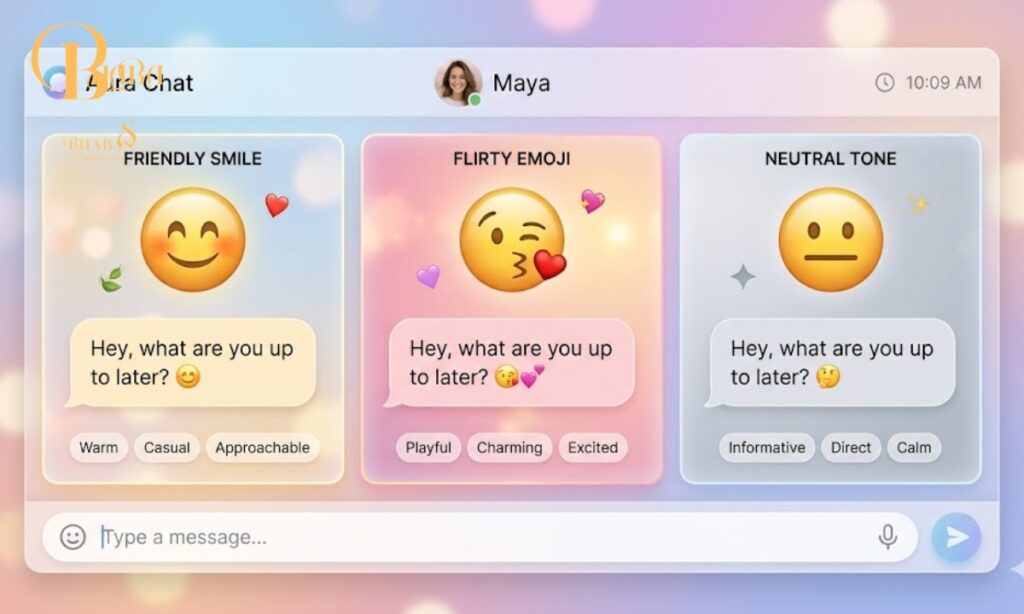
WSG is almost always friendly. It is a low-stakes opener that signals warmth and casual interest. In most conversations, it is the text equivalent of a nod hello — nothing more loaded than that.
It can become flirtatious with the right context. If someone you have been talking to on a dating app sends “WSG 😏” late at night, the meaning has shifted from general greeting to something more suggestive. The emoji does much of that work. Without it, the same message reads as neutral.
It can carry mild frustration between close friends — but only when someone has been out of contact for a while. “WSG?” sent after a week of silence from a close friend is a soft way of saying “why haven’t you been answering me?” It is not aggressive. It is not rude. It is the text equivalent of raised eyebrows.
In the vast majority of cases though, WSG is simply friendly. It is not aggressive, not inappropriate, and not passive-aggressive unless the situation makes it that way. If you receive a WSG and you are unsure of the tone, look at who sent it, when they sent it, and what your recent interaction history looks like. Those three things will tell you more than the three letters alone ever could.
One thing that sometimes confuses people is receiving WSG from someone they do not know very well. It can feel presumptuous — this person is skipping formal greetings and jumping straight to casual territory. In most cases, that is exactly the intent: they are trying to build a casual, comfortable dynamic quickly. It is a social shorthand for “I want to talk to you in a relaxed way.” Whether that is welcome depends entirely on the relationship and the context.
Frequently Asked Questions
What does WSG mean in text messages?
WSG means “What’s good?” — a casual greeting used to check in with someone or start a conversation, similar to “What’s up?”
What does WSG mean on Snapchat?
On Snapchat, WSG is used as a daily opener or conversation starter. It often appears in DMs and streak messages as a quick, friendly check-in.
Is WSG rude or inappropriate?
No. WSG is a friendly, casual greeting. It is informal but not rude or inappropriate in social contexts.
How do you respond to WSG?
Reply casually with what you are up to or how you are doing. Something like “Not much, just chilling — you?” works well in most situations.
Is WSG only used by Gen Z?
Mostly yes, but millennials use it too. It is most common among people in their teens and twenties, particularly on Snapchat and TikTok.
Can WSG mean something other than “What’s good?”
Sometimes it means “What’s going on?” depending on context. Rarely, it is also interpreted as “What’s Gucci?” In professional or real estate contexts, WSG can stand for Water, Sewer, Gas — completely unrelated to the slang term.
Is it okay for brands to use WSG?
Only if it fits the brand’s existing casual voice and the platform context supports it. Forced use of slang usually does more harm than good for a brand’s credibility.
Does WSG work the same way in every language?
WSG is an English-language abbreviation and does not translate directly. It is widely recognized in international digital spaces, but its cultural roots are specifically in American English and AAVE.
Conclusion
WSG is three letters that do a lot of work. At its core, it is a simple greeting, “What’s good?” that started in spoken AAVE, moved into hip-hop culture, and eventually became standard digital shorthand for an entire generation of texters and social media users. Knowing what it means is step one. Knowing when and how to use it is what actually matters. Getting the context right, reading who sent it, on which platform, at what time, and with what energy, turns a three-letter abbreviation into a full social signal.
Whether someone sends it to restart a conversation, keep a Snapchat streak going, or drop it in a TikTok comment, the intention is almost always the same: a friendly, low-effort way of saying “hey, I’m thinking of you.” That simplicity is exactly why it stuck around while other slang came and went. Three letters, one clear signal, no overthinking required. Now that you know what it means and how it works, you will never be caught off guard by it again and you will know exactly when to use it yourself.

David is a passionate writer with four years of experience in blessings and prayers blogging. He currently works at Bhabas.com, crafting heartfelt messages that inspire hope, offer comfort, and help people express emotions in a meaningful and lasting way.