If you have been scrolling through TikTok, Instagram, or your group chats and keep seeing the word “SZN” pop up everywhere, you are not alone. Thousands of people search for its meaning every single day. It shows up in captions, comments, video titles, and hashtags — sometimes in all caps, sometimes in lowercase, always with a certain energy that the full word does not carry. Once you know what it means, you will start noticing it in almost every corner of the internet.
This guide covers everything: the SZN definition, its real origin story, how it works across platforms, 20+ real-world examples, how brands use it, and the mistakes that make you look out of touch. Whether you are decoding online slang or want to use SZN naturally in your own content, this breakdown has you covered.
What Does SZN Mean? The Fastest, Clearest Answer
SZN means “season.” That is the full definition. It is a slang abbreviation where the vowels are dropped, leaving only the consonants S, Z, and N behind.
But the meaning goes deeper than the dictionary. In digital communication, SZN does not just refer to weather or the calendar. It signals a mood, a personal phase, a cultural moment, or a collective vibe that people are living through right now. When someone says “it’s glow-up SZN,” they are not talking about autumn or spring. They are declaring a personal period of self-improvement with energy and intention.
Here is a quick-reference breakdown:
| Term | Full Word | Core Meaning |
| SZN | Season | A time period, mood, trend, or life phase |
| Summer SZN | Summer Season | The warm-weather period of fun, travel, and outdoor activity |
| Gym SZN | Gym Season | A dedicated period of working out and fitness focus |
| Glow Up SZN | Glow Up Season | A phase of personal transformation and self-improvement |
| Cuffing SZN | Cuffing Season | The fall/winter period when people seek relationships |
| Hustle SZN | Hustle Season | A focused time of working hard on goals |
The abbreviation works because it is short, punchy, and visually distinct. The consonant cluster gives it a sharp, modern feel that the full word simply does not have. That visual energy is a big part of why it spread so fast across platforms where short, striking text performs best.
Where Did SZN Come From? The Origin and History Explained
The Linguistic Root
The technique behind SZN — dropping vowels from a word — is not new to the internet. It actually has roots in ancient Semitic writing systems. Arabic and Hebrew have traditionally omitted short vowels in written text for thousands of years. Digital slang in 2026 is, in a way, echoing a linguistic pattern that goes back much further than social media. Languages have always found ways to compress information for speed, and online communication simply accelerated that instinct into overdrive.
Online, vowel-dropping became a popular way to shorten words in the early days of text messaging and instant messaging. Users needed to type fast, keyboard shortcuts were limited, and character counts on SMS were real constraints. So “before” became “b4,” “are” became “r,” “people” became “ppl,” and eventually “season” became “szn.” The result was a word that looked intentionally different — not like a typo, but like a stylistic choice with personality behind it.
Sports Culture Started It
The first major wave of SZN use online came from sports fans. Starting around the mid-2010s, fans on Twitter and Facebook began using phrases like “playoff SZN” and “championship SZN” to hype up their teams during tournament runs. The compressed spelling felt raw and energetic, matching the heat of rivalry week and the anxiety of elimination games. It was fast to type, easy to hashtag, and immediately recognizable to anyone already inside those fandom communities.
Sports gave SZN its initial framework: a defined time period with high stakes, shared excitement, and a clear beginning and end. That framework turned out to be flexible enough to apply to almost anything.
Hip-Hop Pushed It Mainstream
Hip-hop culture took SZN from sports chats to global reach. Drake’s OVO brand — October’s Very Own — used seasonal branding heavily in its content drops, with “OVO SZN” becoming a recognizable phrase among his fanbase whenever new music, merchandise, or announcements were coming. The term became a cultural marker signaling that something significant was about to happen, not just a calendar reference. Other artists and influencers picked up that energy and ran with it, labeling their own creative phases as SZN moments.
From hip-hop, the term moved into R&B, streetwear culture, and lifestyle content. It was no longer just for sports or rap it was for anyone who wanted to announce that a meaningful time period was underway.
TikTok Gave It a New Life
By the early 2020s, TikTok turned SZN into something even bigger. Creators built entire content formats around it. “Villain SZN,” “that girl SZN,” and “healing SZN” became trending formats inspiring thousands of response videos and duets. The phrase stopped being just a caption add-on and became a content category of its own. TikTok’s algorithm rewards content that hooks fast and feels timely — and SZN phrases deliver exactly that. A video titled “It’s officially main character SZN” tells the viewer immediately what the energy is and what kind of content they are about to watch.
By 2025, SZN had traveled so far into mainstream language that it was officially added to Webster’s New World College Dictionary (5th Digital Edition, HarperCollins). Very few internet slang terms make that crossing that fast. It is a meaningful marker of just how deep SZN has embedded itself into everyday English communication.
Timeline at a Glance
| Year Range | Key SZN Development |
| Early 2010s | Vowel-dropping slang spreads through SMS and early social media |
| 2014–2016 | “Playoff SZN” becomes mainstream in sports Twitter |
| 2016–2018 | Hip-hop and OVO culture bring SZN into music and lifestyle branding |
| 2018–2020 | Instagram creators adopt SZN for hashtags and seasonal campaigns |
| 2020–2022 | TikTok expands SZN into full content categories and trending formats |
| 2023–2024 | Brands normalize SZN in marketing across industries |
| 2025 | SZN officially enters Webster’s New World College Dictionary |
| 2026 | SZN is standard internet vocabulary across generations and platforms |
7 Different Ways People Use SZN Today — Every Context Covered
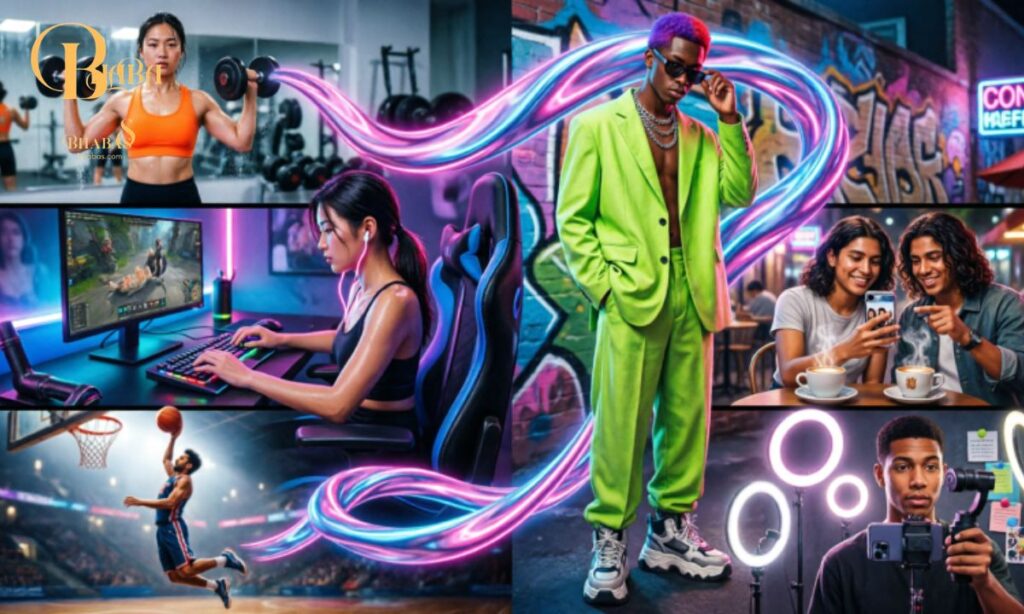
People use SZN in more ways than most guides explain. Here are the seven main usage types:
1. Calendar Seasons The most literal use. People replace the word “season” with SZN when talking about actual times of year. Example: “Summer SZN is finally here and I am not ready.”
2. Sports Seasons Still one of the most common contexts online. Fans use it to signal that competition has begun or is heating up. Example: “Playoff SZN and the stress levels are unreal.”
3. Personal Life Phases People use SZN to announce a shift in personal focus — a new chapter, a change in mindset, or a commitment to something new. Example: “Just deleted social media. Healing SZN starts now.”
4. Content and Creator Phases Creators use SZN to mark periods of heavy posting, new projects, or a refreshed creative direction. Example: “New series dropping every week. Content SZN is officially on.”
5. Trend and Meme Cycles When something becomes a dominant cultural moment, the internet labels it a SZN. Example: “Everyone’s obsessed with cottagecore right now. It’s cottagecore SZN.”
6. Fashion and Style Moments Streetwear fans and fashion creators use SZN around major drops and seasonal style shifts. Example: “Oversized everything is the move. Layering SZN is back.”
7. Emotional Phases One of the newer uses. People use SZN to describe emotional or mental states they are moving through. Example: “Not accepting any negativity right now. Peace SZN, no exceptions.”
SZN on Every Platform — TikTok, Instagram, Twitter/X and More
SZN behaves slightly differently depending on where you encounter it. Here is how it works on each major platform:
TikTok
TikTok is where SZN gets the most creative and varied usage. It shows up in video titles, on-screen text overlays, comment sections, and trending audio captions. Entire video trends are built around SZN phrases. When a creator posts “villain SZN” content, it typically means they are entering a phase of prioritizing themselves, ignoring outside opinions, and moving with focused intention. “That girl SZN” content usually covers morning routines, fitness, journaling, and wellness habits. “Healing SZN” content tends to focus on emotional recovery, journaling, therapy talk, and setting boundaries.
These trends inspire thousands of response videos and duets, creating a community conversation around a shared phase of life. TikTok’s short-form format rewards punchy, immediate text — and SZN fits that requirement perfectly. When something is labeled SZN on TikTok, it signals that a whole content ecosystem exists around it, not just a single video.
On Instagram, SZN lives mainly in captions and hashtags. Creators use tags like #SummerSzn, #GlowUpSzn, and #SpookySzn to connect their content to current trends and improve discoverability in search. Brands use it in product captions tied to seasonal drops. Fitness accounts go heavy on #GymSzn every January when the new year motivation is at its peak. Food accounts use #BBQSzn and #PumpkinSznfor their seasonal recipes. It is less about real-time conversation and more about positioning content within a recognizable cultural moment so the right audience finds it at the right time.
Instagram Reels also uses SZN in video text the same way TikTok does, since the two platforms have increasingly mirrored each other in format and content style. Stories use SZN in casual, off-the-cuff captions that feel more personal than feed posts.
Twitter/X
Twitter keeps SZN reactive and real-time. Sports fans and live-event viewers drop it mid-game, mid-drop, and mid-conversation. You will see “It’s literally SZN right now 🔥” during a heated playoff series or “awards SZN and the drama is already starting” during major ceremony season. The platform’s conversational pace makes SZN ideal for quick, high-energy commentary that does not need much context because the cultural moment provides it.
Pop culture Twitter uses SZN around album releases, movie drops, and viral moments. When a major artist releases new music, fans will immediately declare it “[Artist Name] SZN” to signal that all conversation, streaming, and attention should be directed there for the foreseeable future.
WhatsApp and iMessage
In direct messaging, SZN works in group chats and casual one-on-one conversations. Friends use it to describe what phase of life they are in, plan seasonal activities, or react to cultural moments. “It’s literally birthday SZN for our whole friend group” or “cuffing SZN approaching and I am concerned” are the kinds of messages that land naturally in group chat. It is less about performance and more about genuine shorthand between people who already share context.
Snapchat
Snapchat users pair SZN with temporary content. A snap captioned “beach SZN 🌊” posted during a summer trip is typical — quick, visual, and tied to a moment in time. The temporary nature of Snap stories mirrors the temporary nature of seasons, which may be part of why SZN fits the platform so naturally.
Discord and Gaming Communities
In gaming Discord servers, SZN refers to competitive ranked seasons. Players announce “ranked SZN starting, who is grinding?” at the beginning of new competitive periods. Games like Fortnite, Apex Legends, and Call of Duty all run seasonal content cycles, and players use SZN to coordinate grinding sessions and discuss placement goals.
20+ Real SZN Examples You Can Copy Right Now
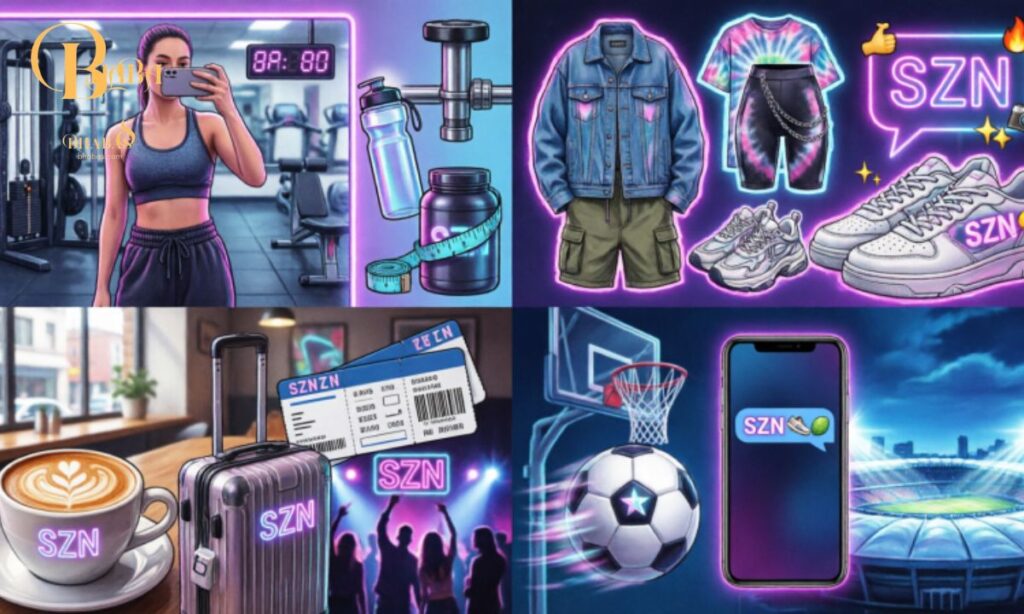
Here are over 20 ready-to-use SZN phrases and captions organized by context:
Fitness & Health
- “January is gym SZN and I am not playing this year.”
- “Running SZN starts today. No excuses.”
- “Healthy eating SZN — finally getting consistent.”
Personal Growth
- “Glow up SZN is in full swing.”
- “Self-care SZN: putting my phone down and choosing peace.”
- “Healing SZN looks good on me, not gonna lie.”
- “Main character SZN and I will not be taking questions.”
Relationships
- “Cuffing SZN is approaching and I have zero plans to participate.”
- “Single SZN but make it intentional.”
- “Dating SZN? Maybe. Still deciding.”
Sports
- “Playoff SZN and my anxiety is on another level.”
- “Football SZN is the only SZN that matters.”
- “Fantasy league SZN — destroy your friends responsibly.”
Fashion & Style
- “Thrift SZN. Nobody is paying retail.”
- “Sneaker drop SZN is draining my wallet again.”
- “Layering SZN — finally get to wear everything I own.”
Social Life & Events
- “Wedding SZN and I have four to attend in six weeks.”
- “Festival SZN — sunscreen, good music, no complaints.”
- “Holiday SZN and the family group chat is already active.”
Study & Work
- “Exam SZN is here. Pray for me.”
- “Grind SZN. No plans. Just work.”
- “Hustle SZN until the goals are goals no more.”
Moods & Vibes
- “Villain SZN activated. Focus only.”
- “Quiet SZN — not posting much, just living.”
- “Hot girl SZN because why not.”
How Brands Use SZN to Drive Engagement and Sales
Brands have figured out that SZN speaks to their audience in a way that formal marketing language does not. Here is how smart brands are using it effectively:
Seasonal Product Drops Retail and fashion brands use SZN to create urgency around limited-time collections. A caption like “Holiday SZN essentials are here — shop before they sell out” feels less like an advertisement and more like a friendly tip from someone who is already in the know. The slang strips away the corporate tone that makes standard product copy feel distant from the buyer.
Hashtag Campaigns Brands create seasonal hashtags using SZN to build searchable content threads that consumers can join organically. #SummerSzn campaigns from beverage brands, #FitnessSzn pushes from athletic wear companies, and #SnackSzn drops from food brands all capitalize on natural interest spikes tied to the calendar. When users start posting with those same hashtags, the brand gains user-generated content at no extra cost.
Influencer Partnerships Influencers are hired specifically to lead SZN-based campaigns. A fitness influencer launching “#NewYearGymSzn” content in January gives a brand authentic, community-driven placement without feeling forced or out of place. The influencer’s credibility transfers to the brand because the language already belongs to the audience.
Streetwear and Sneaker Culture Brands like Nike, Adidas, and independent streetwear labels use SZN language around major drops and seasonal style shifts. “Sneaker SZN just dropped” in a brand’s Instagram story hits differently than “New collection available now.” The first sounds like someone from the culture is speaking. The second sounds like a press release. In a space where authenticity is everything, that difference matters.
Event Marketing Concerts, festivals, and sporting events use SZN in their promotional copy to signal that something big and time-limited is happening. It creates a sense of shared cultural experience rather than just a transaction. “Festival SZN is here — are you ready?” is an invitation to participate in a moment, not just buy a ticket.
Email and SMS Marketing Some brands are even testing SZN in subject lines and push notifications. “It’s sale SZN ” or “Gym SZN starts now — gear up” in a push notification uses the casual register of someone’s social feed to reduce the emotional distance between brand and consumer.
The key takeaway: brands that use SZN effectively are not just using a slang term — they are demonstrating that they understand the culture their customers live in. That signals genuine participation rather than observation from the outside.
SZN Mistakes That Make You Look Out of Touch
Using SZN wrong is worse than not using it at all. Here are the most common mistakes people make, and why each one falls flat:
- Using it in formal writing. SZN has no place in emails, reports, job applications, cover letters, or any professional communication. It signals the wrong tone immediately and can undermine credibility in settings where precision and formality are expected.
- Overusing it in one post. “It’s glow up SZN and gym SZN and hustle SZN” in one caption dilutes all three. Pick one intention per post. SZN carries weight when it is specific. When you stack them, it reads as filler rather than focus.
- Using it sarcastically without context. Sarcasm needs shared understanding to land. “It’s cringe SZN apparently” only works if your audience already gets the reference you are riffing on. Without that shared context, the sarcasm falls flat or reads as genuine.
- Forcing it onto something that does not have a natural season. “Tax return SZN” works because it is tied to a real annual cycle. “Random Tuesday SZN” makes no sense and reads as someone just trying to seem current. SZN works best when the time period it is describing actually has meaning.
- Using it in the wrong generational register. If your audience is primarily older, in a formal industry, or not plugged into social media culture, SZN can make your content feel like it is trying too hard. Always match your language to your audience’s expectations and comfort level.
- Capitalizing it inconsistently without purpose. Both SZN and szn are accepted forms. Mixing them within the same caption for no reason looks like a typo rather than a stylistic choice. Pick one and stay consistent.
- Confusing SZN with SZA. The two look alike and get mixed up constantly in search and comment sections. SZN is a slang abbreviation for “season.” SZA is an R&B artist whose name is a personal acronym. They are completely unrelated and mixing them up in any content is an immediate credibility issue.
- Using it to label something with no real timing. SZN implies a cycle, a season, a definite phase with energy behind it. Applying it to something vague or permanent (“life SZN” or “existence SZN”) removes the specificity that makes the term work in the first place.
The rule is simple: if it feels natural in context, use it. If you are adding it just to seem current, skip it entirely. Nothing undermines cultural fluency faster than trying too hard to demonstrate it.
SZN vs Era vs Vibe vs Phase vs Mode
SZN is not the only word people use to describe a personal or cultural moment. Here is how it compares to its closest alternatives:
| Word | What It Means | Best Used For | Example |
| SZN | A time period or life phase with energy and intent | Seasonal content, trends, personal announcements | “Healing SZN is real.” |
| Era | A distinct chapter defined by identity or style | Major life changes, Taylor Swift-influenced language | “In my unbothered era.” |
| Vibe | The feeling or energy of a moment, place, or person | Mood descriptions, aesthetic alignment | “This playlist matches the vibe perfectly.” |
| Phase | A temporary stage, often used dismissively | Short-term behavior patterns | “It’s just a phase.” |
| Mode | A mental or behavioral setting you switch into | Focus states, productivity, attitude shifts | “Full grind mode activated.” |
The clearest distinction: era is retrospective and identity-focused, vibe is about energy and feeling, phase implies something temporary and often trivial, mode is about a mental state you enter, and SZN is about a defined time period with collective or personal significance. They overlap but are not interchangeable. Using “era” when you mean SZN, or vice versa, changes the meaning of what you are trying to say.
Fun Facts About SZN Most People Don’t Know
- SZN’s vowel-dropping structure mirrors ancient Semitic writing systems. Arabic and Hebrew have omitted short vowels in written form for thousands of years — digital slang accidentally reconnected with that linguistic tradition in a very modern way.
- SZN is one of the fastest internet slang terms to earn an entry in a major dictionary. It was officially listed in Webster’s New World College Dictionary (5th Digital Edition, 2025, HarperCollins), a milestone that few pieces of internet slang achieve at all.
- The term “cuffing SZN” has been traced back to around 2011 in online forums, making it one of the earliest SZN compound phrases still in widespread common use today — over a decade of consistency, which is rare for internet slang.
- SZN spikes in Google search volume every January and September — the two months when people most strongly feel a personal shift coming and want to name and announce it publicly.
- In crypto and Web3 communities, SZN has taken on a parallel meaning to describe market cycles. “Alt SZN” refers to periods when alternative cryptocurrencies outperform Bitcoin, while “bear market SZN” describes downturns. The term migrated from lifestyle culture into financial slang with almost no friction.
- In gaming, SZN refers to competitive ranked seasons in games like Fortnite, Apex Legends, and Call of Duty. Players track SZN numbers, discuss ranking goals, and celebrate each new SZN as a fresh competitive start.
- SZN and SZA (the R&B artist) look similar but are completely unrelated. SZA’s name is a personal artistic acronym, not a shortening of “season.” They get confused in search results constantly, but they have entirely different origins.
- “Spooky SZN” is one of the most consistent seasonal hashtags on Instagram every year, with millions of posts tagged during October. Brands plan entire Halloween content calendars around it.
Frequently Asked Questions
What does SZN mean in text?
SZN means “season” in text, referring to a time period, personal phase, or trending cultural moment in casual digital conversation.
What is the difference between SZN and Season?
SZN is the informal, slang version of season. It carries cultural energy and tone that the full word does not carry in online communication.
Is SZN only used by Gen Z?
No. SZN is used by millennials, Gen Z, and brands across demographics, though it originated primarily in youth and hip-hop culture.
Can you use SZN in a professional setting?
No. SZN is informal slang suited for casual texting, social media captions, and personal content — not professional or formal writing.
What are the most popular SZN phrases in 2026?
The top SZN phrases in 2026 include glow up SZN, healing SZN, villain SZN, gym SZN, hustle SZN, and cuffing SZN across major platforms.
Is SZN officially in the dictionary?
Yes. SZN was added to Webster’s New World College Dictionary, 5th Digital Edition, published by HarperCollins in 2025.
Is SZN the same as the artist SZA?
No. SZA is an R&B artist whose name is a personal acronym. SZN is a separate slang abbreviation for “season” with no connection to the artist.
Conclusion
SZN is one of those rare slang terms that started in a specific corner of the internet and grew into something that crossed demographics, industries, and even dictionary entries. At its core, it just means “season.” But the way people use it in 2026 — to announce personal phases, label cultural trends, and build content around shared moments — gives it a weight and energy the full word simply cannot match.
If you want to use SZN naturally, the key is context. Tie it to something that actually has a rhythm or a cycle, keep it casual, and do not force it into spaces where formal language belongs. Use it where it fits, and it will always land right. That is the only rule that matters with any internet slang know your audience, know your platform, and let the word do its job.

David is a passionate writer with four years of experience in blessings and prayers blogging. He currently works at Bhabas.com, crafting heartfelt messages that inspire hope, offer comfort, and help people express emotions in a meaningful and lasting way.